
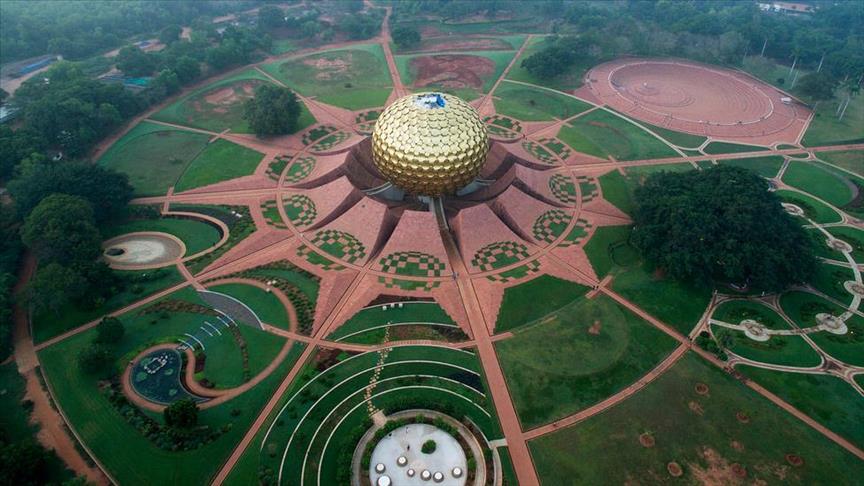
Auroville, Tamil Nadu
Discover the unique experimental community of Auroville, which aims to achieve sustainable living through innovative practices. Students will learn about renewable energy, organic farming, waste management, and eco-friendly construction techniques. Activities include workshops on sustainable practices, tours of green buildings, and participation in community projects.
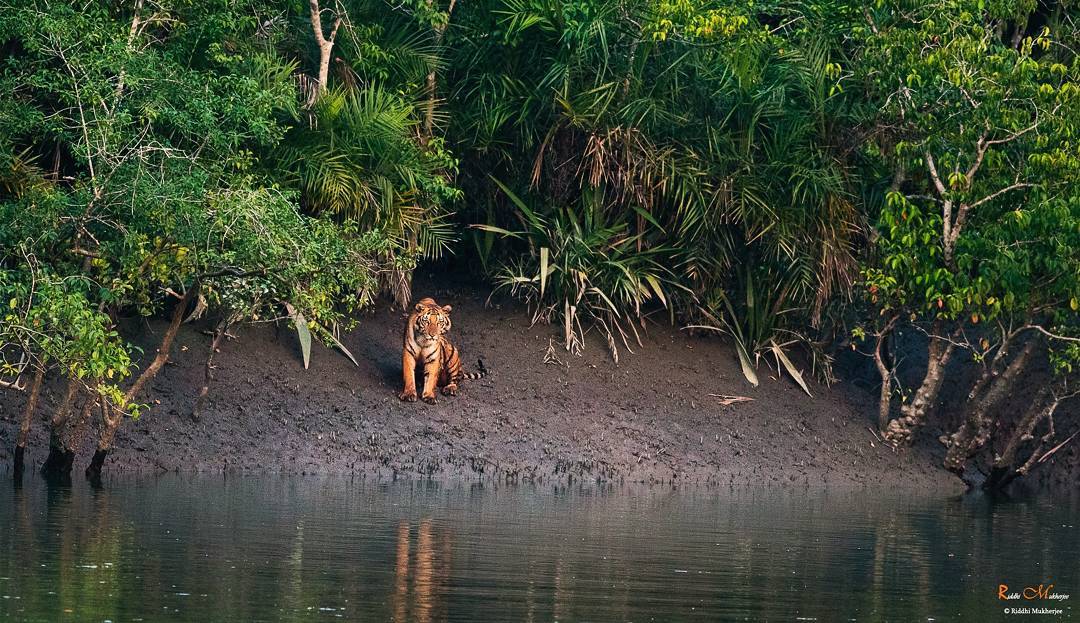
Sunderbans, West Bengal
Explore the largest mangrove forest in the world and understand the importance of preserving fragile ecosystems. Students will learn about the unique biodiversity of the Sundarbans, conservation efforts to protect endangered species like the Bengal tiger, and sustainable livelihoods for local communities. Activities include boat tours, wildlife observation, and discussions with conservation experts.
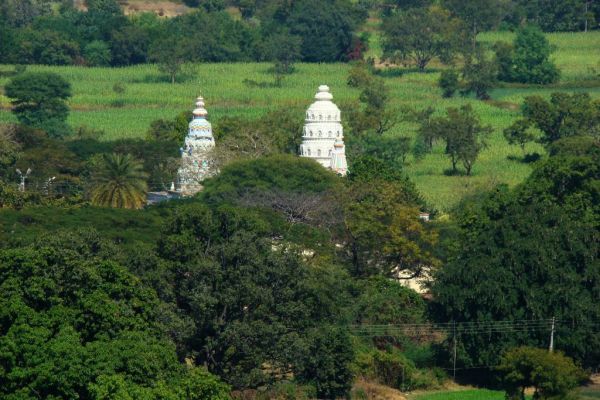
Ralegan Siddhi, Maharashtra
Study the model village of Ralegan Siddhi, known for its sustainable development practices initiated by social activist Anna Hazare. Students will explore water conservation techniques, renewable energy use, and community-led development. Activities include visits to rainwater harvesting structures, solar energy installations, and interactions with local villagers.
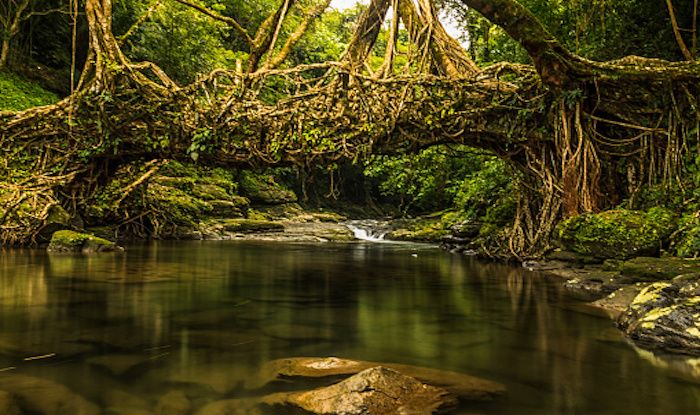
Mawlynnong, Meghalaya
Experience the cleanest village in Asia and learn about community-driven sustainability. Students will explore how Mawlynnong has achieved zero waste through composting, recycling, and strict waste management practices. Activities include village tours, waste management workshops, and cultural exchanges with local residents.
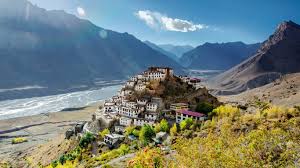
Spiti Valley, Himachal Pradesh
Discover the sustainable practices of high-altitude communities in Spiti Valley. Students will learn about traditional agricultural methods, water management in arid regions, and the use of solar energy in remote areas. Activities include trekking, visits to eco-villages, and participation in local sustainability projects.
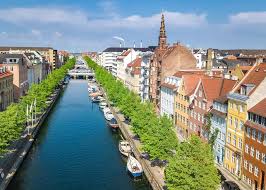
Copenhagen, Denmark
Explore one of the world's most sustainable cities, known for its green architecture, cycling infrastructure, and renewable energy initiatives. Students will learn about urban planning, waste management, and sustainable transportation. Activities include city tours, visits to green buildings, and workshops on sustainable urban development.
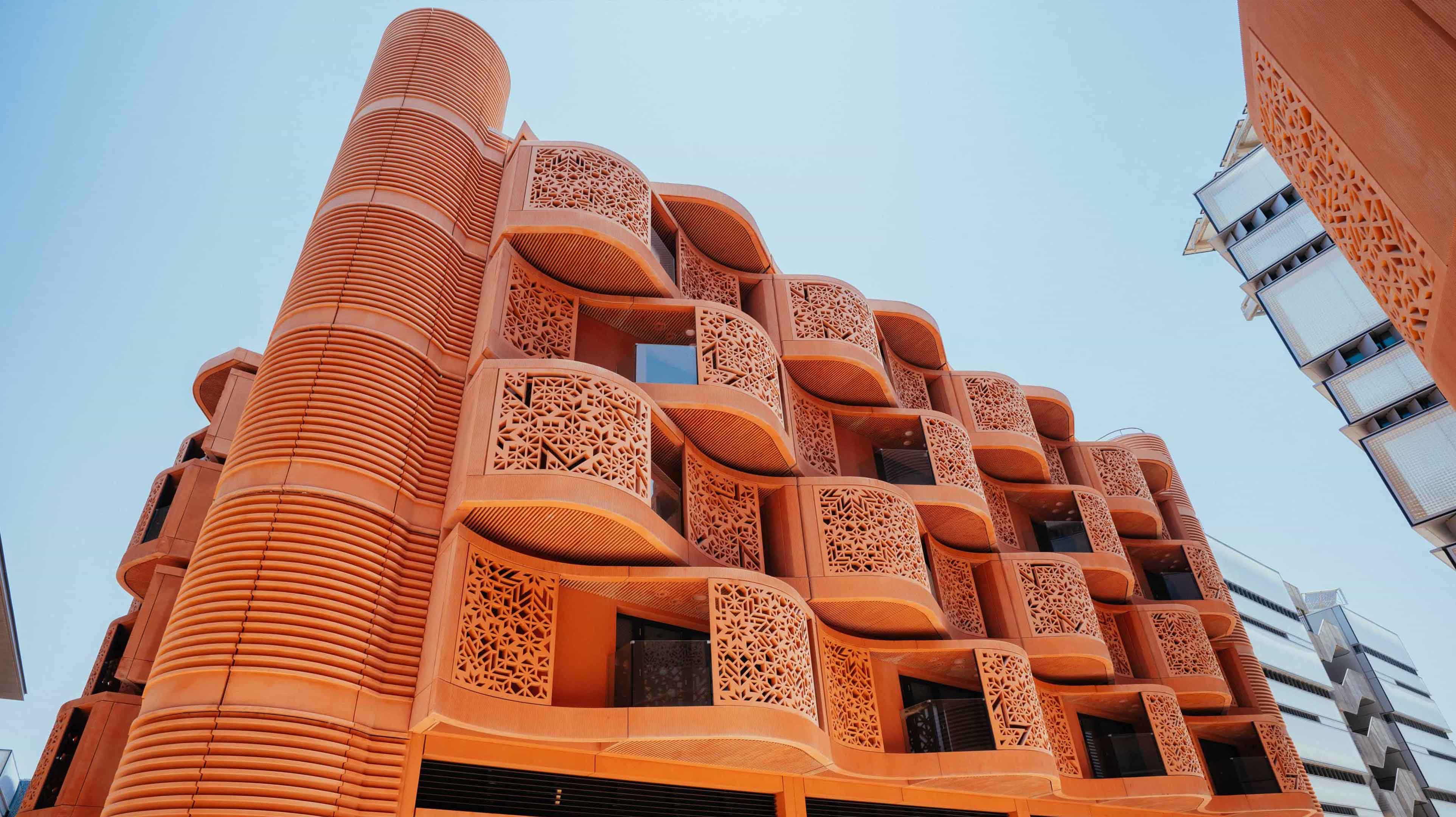
Masdar City, UAE
Study the innovative sustainable urban development of Masdar City. Students will learn about cutting-edge technologies in renewable energy, water conservation, and sustainable architecture. Activities include tours of Masdar Institute, visits to green buildings, and interactive sessions on future city planning.
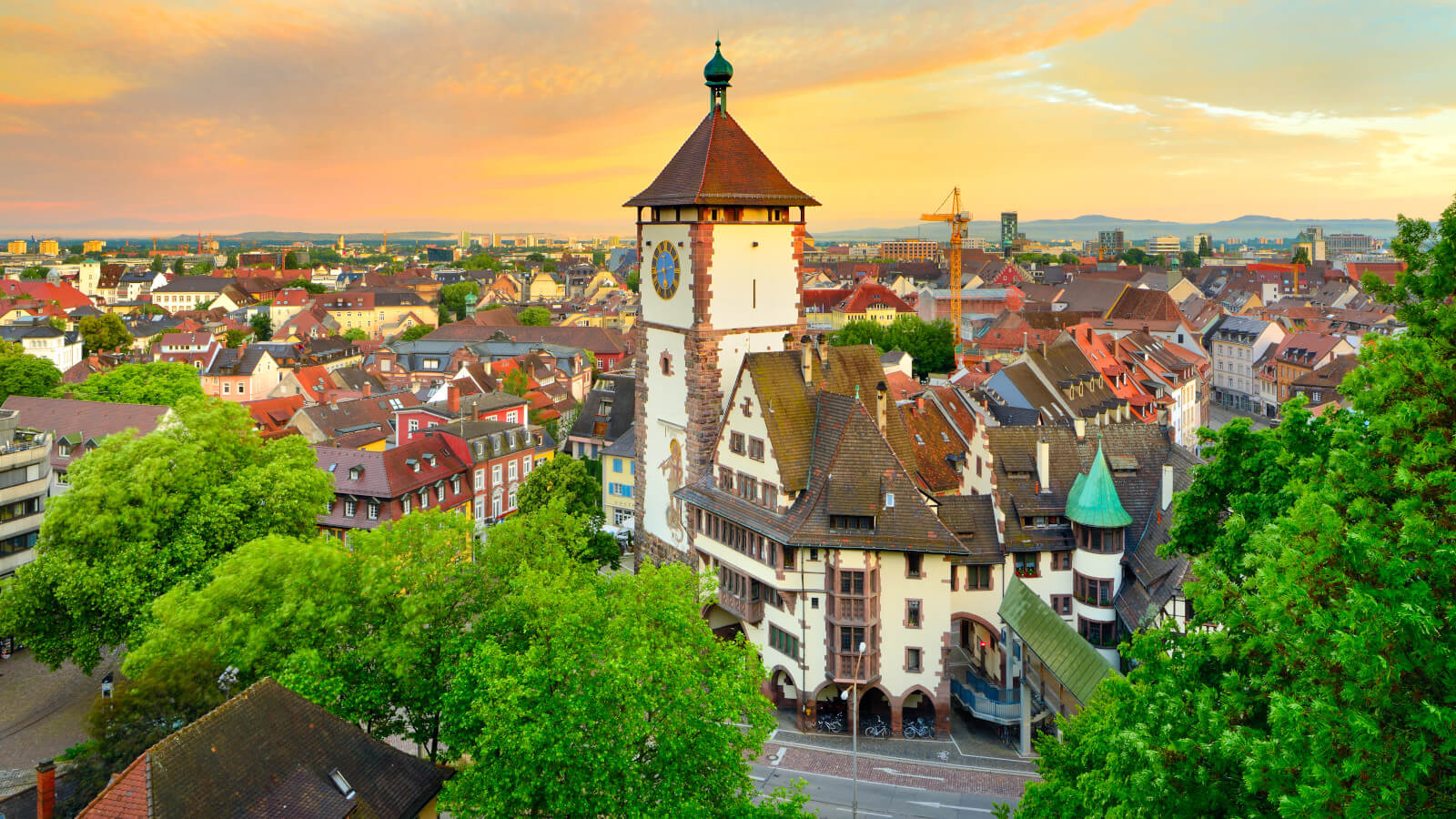
Freiburg, Germany
Discover the green city of Freiburg, a model of sustainable living. Students will explore renewable energy projects, energy-efficient buildings, and eco-friendly transportation systems. Activities include guided tours of solar farms, passive houses, and the city's extensive cycling network.
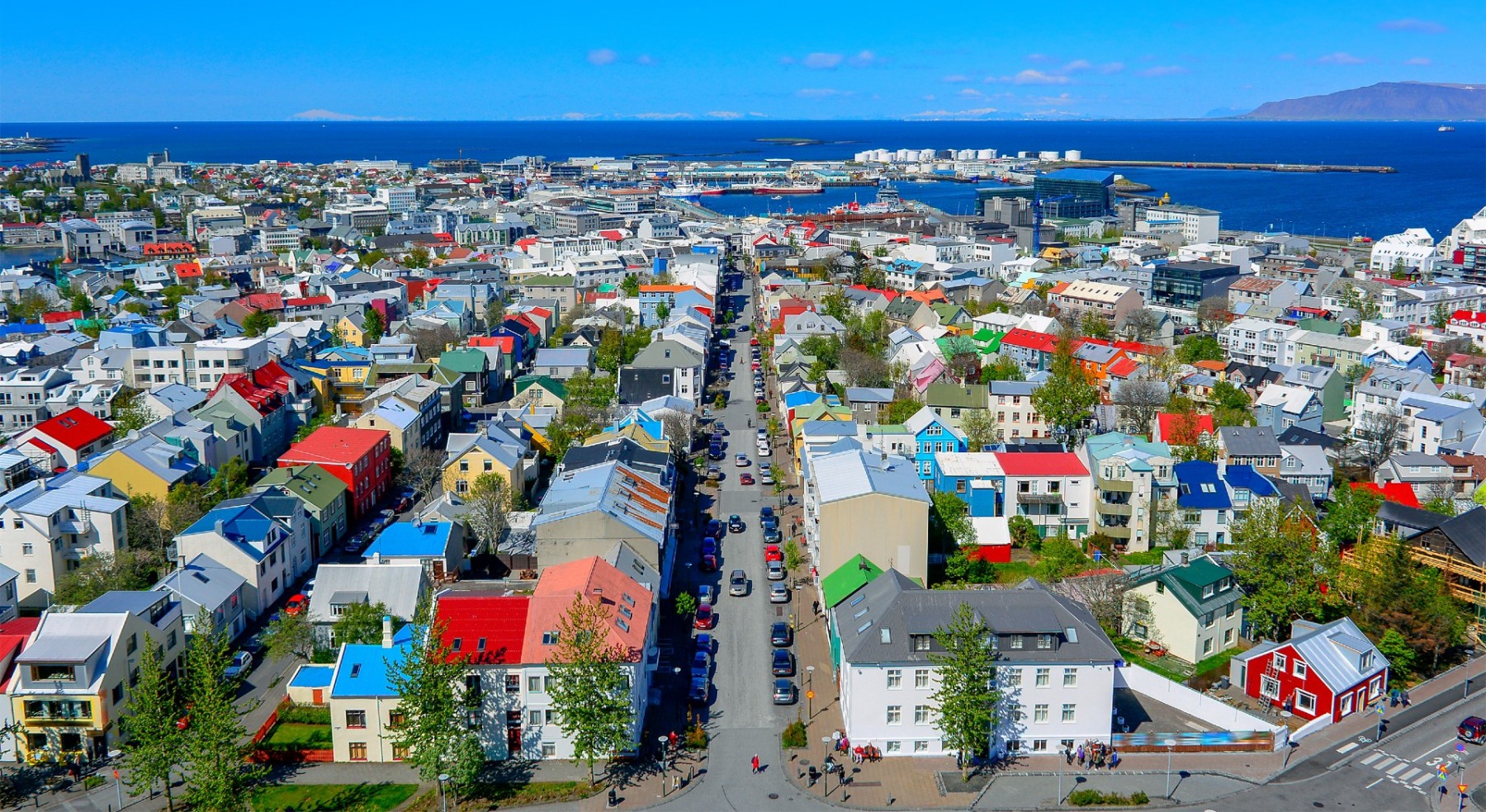
Reykjavik, Iceland
Experience the sustainable energy practices of Reykjavik, powered almost entirely by renewable energy sources. Students will explore geothermal and hydroelectric power plants, learn about sustainable fisheries, and study environmental conservation efforts. Activities include visits to power plants, geothermal spas, and guided tours of sustainable projects.
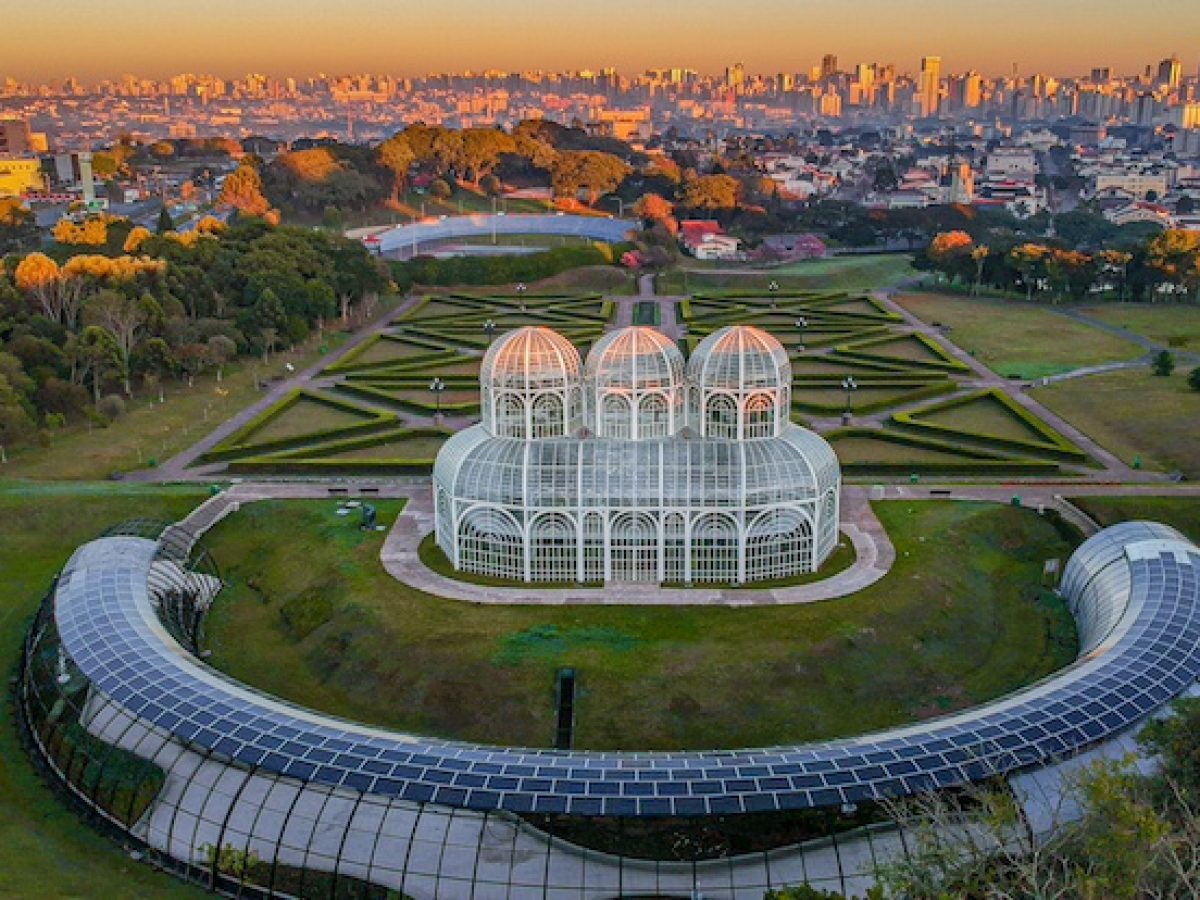
Curitiba, Brazil
Discover the sustainable urban planning and green initiatives of Curitiba. Students will learn about efficient public transportation systems, urban green spaces, and waste management practices. Activities include city tours, visits to recycling centers, and workshops on sustainable urban development.