
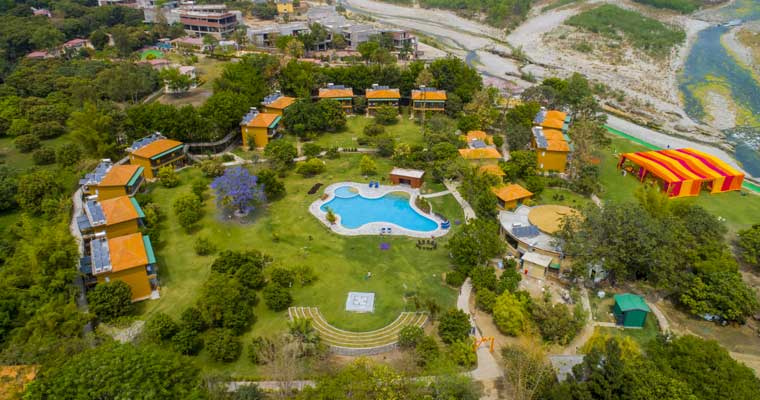
Explore India's oldest national park, known for its Bengal tigers and rich biodiversity. Students will learn about wildlife conservation efforts, habitat preservation, and the challenges faced by conservationists. Activities include guided safari tours, wildlife tracking, and interactions with park rangers and conservation experts.
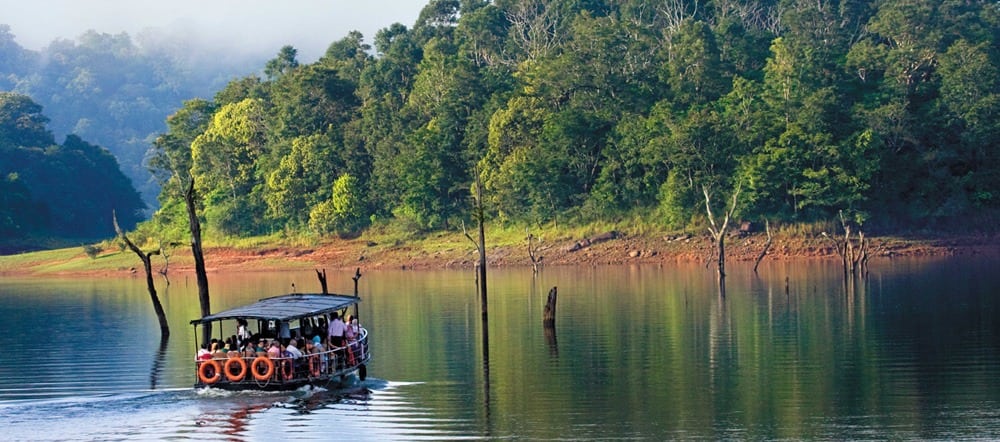
Discover the rich biodiversity of the Western Ghats at Periyar Wildlife Sanctuary. Students will study the flora and fauna of the region, water conservation efforts, and community-based ecotourism. Activities include guided nature walks, boat trips on Periyar Lake, and visits to spice plantations.
Discover the UNESCO World Heritage Site famous for its population of one-horned rhinoceroses. Students will study the park's diverse ecosystems, conservation programs, and anti-poaching measures. Activities include jeep safaris, bird watching, and visits to conservation centers.
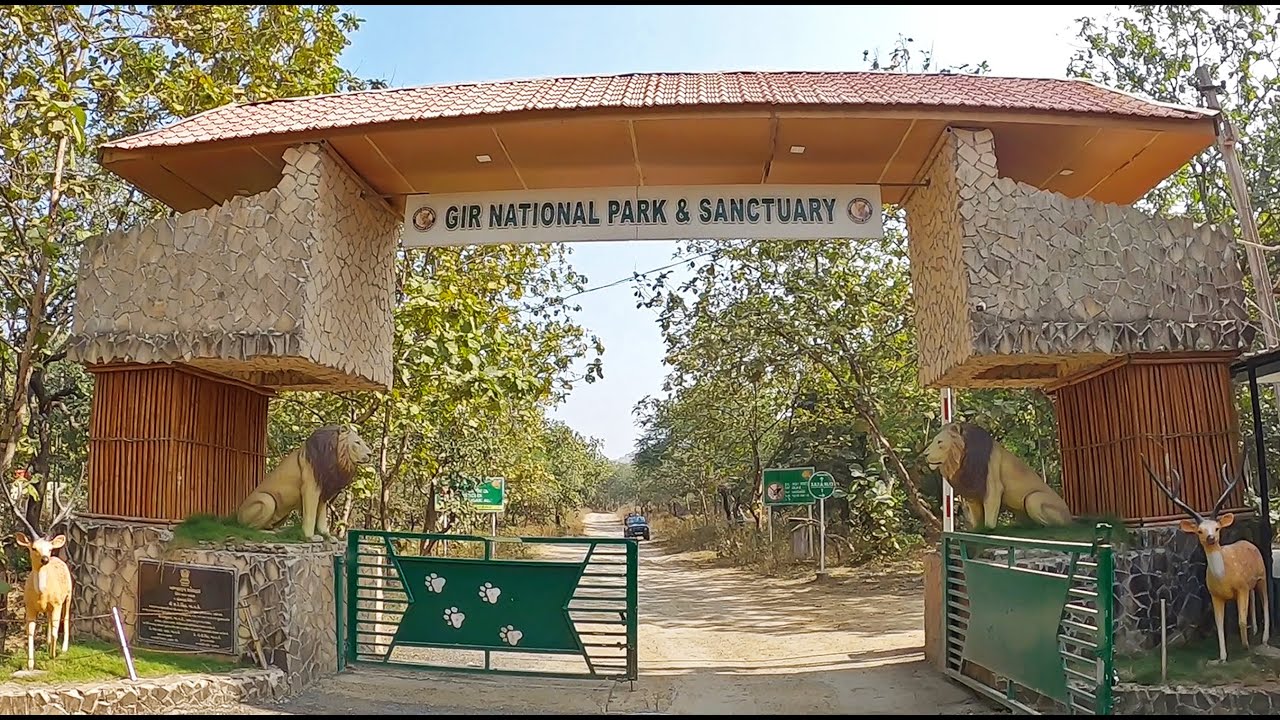
Explore the only home of the Asiatic lion in the wild at Gir National Park. Students will learn about lion conservation, habitat restoration, and the role of local communities in wildlife protection. Activities include jeep safaris, wildlife tracking, and visits to conservation projects.
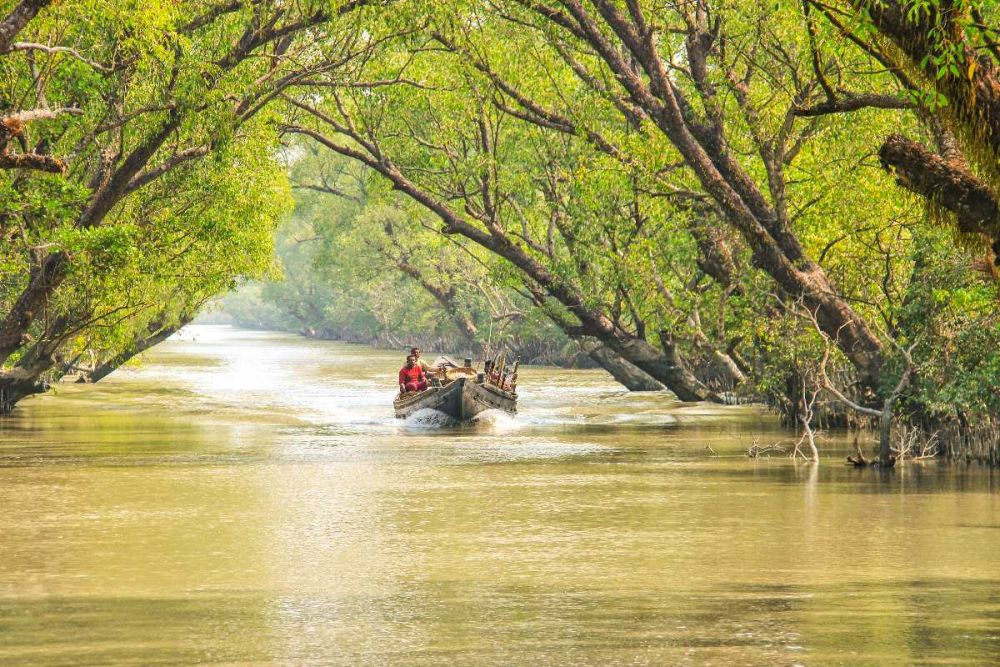
Experience the largest mangrove forest in the world and understand the importance of preserving fragile ecosystems. Students will learn about the unique biodiversity of the Sundarbans, conservation efforts to protect endangered species like the Bengal tiger, and sustainable livelihoods for local communities. Activities include boat tours, wildlife observation, and discussions with conservation experts.
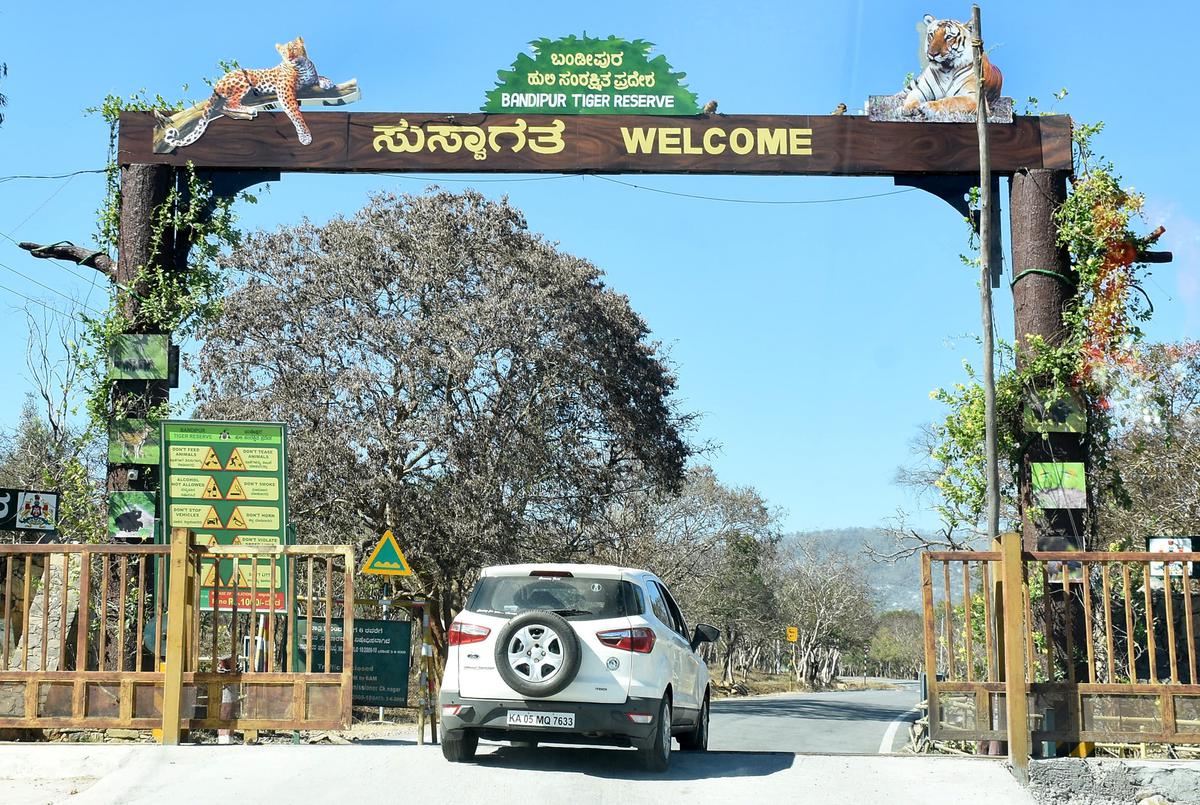
Discover the diverse wildlife of Bandipur National Park, part of the Nilgiri Biosphere Reserve. Students will study elephant conservation, forest management, and biodiversity. Activities include wildlife safaris, visits to elephant camps, and conservation workshops.
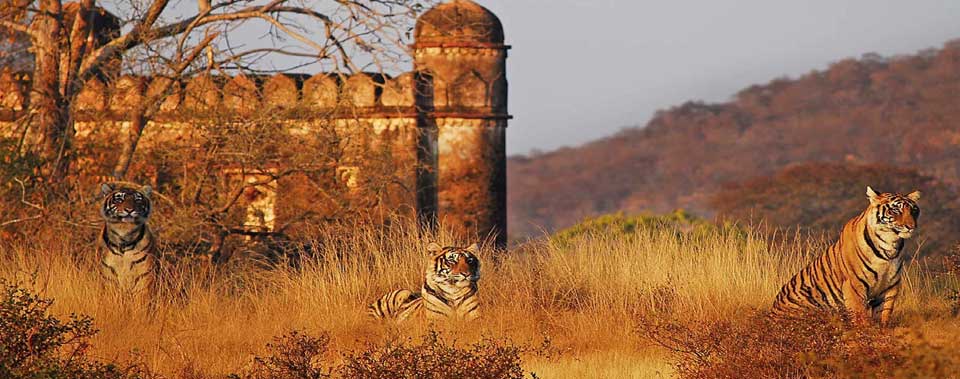
Explore the former hunting grounds of the Maharajas of Jaipur, now a major wildlife sanctuary. Students will learn about tiger conservation, habitat management, and the challenges of human-wildlife conflict. Activities include tiger safaris, visits to Ranthambore Fort, and conservation workshops.
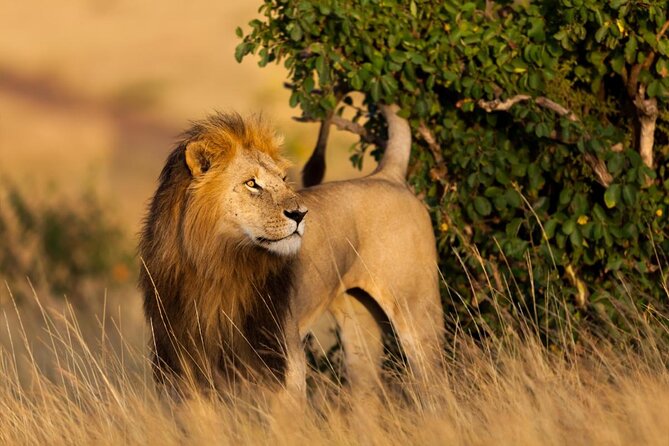
Experience the iconic Maasai Mara, known for its annual wildebeest migration and abundant wildlife. Students will learn about savannah ecosystems, big cat conservation, and the role of local communities in wildlife protection. Activities include game drives, visits to Maasai villages, and conservation talks.
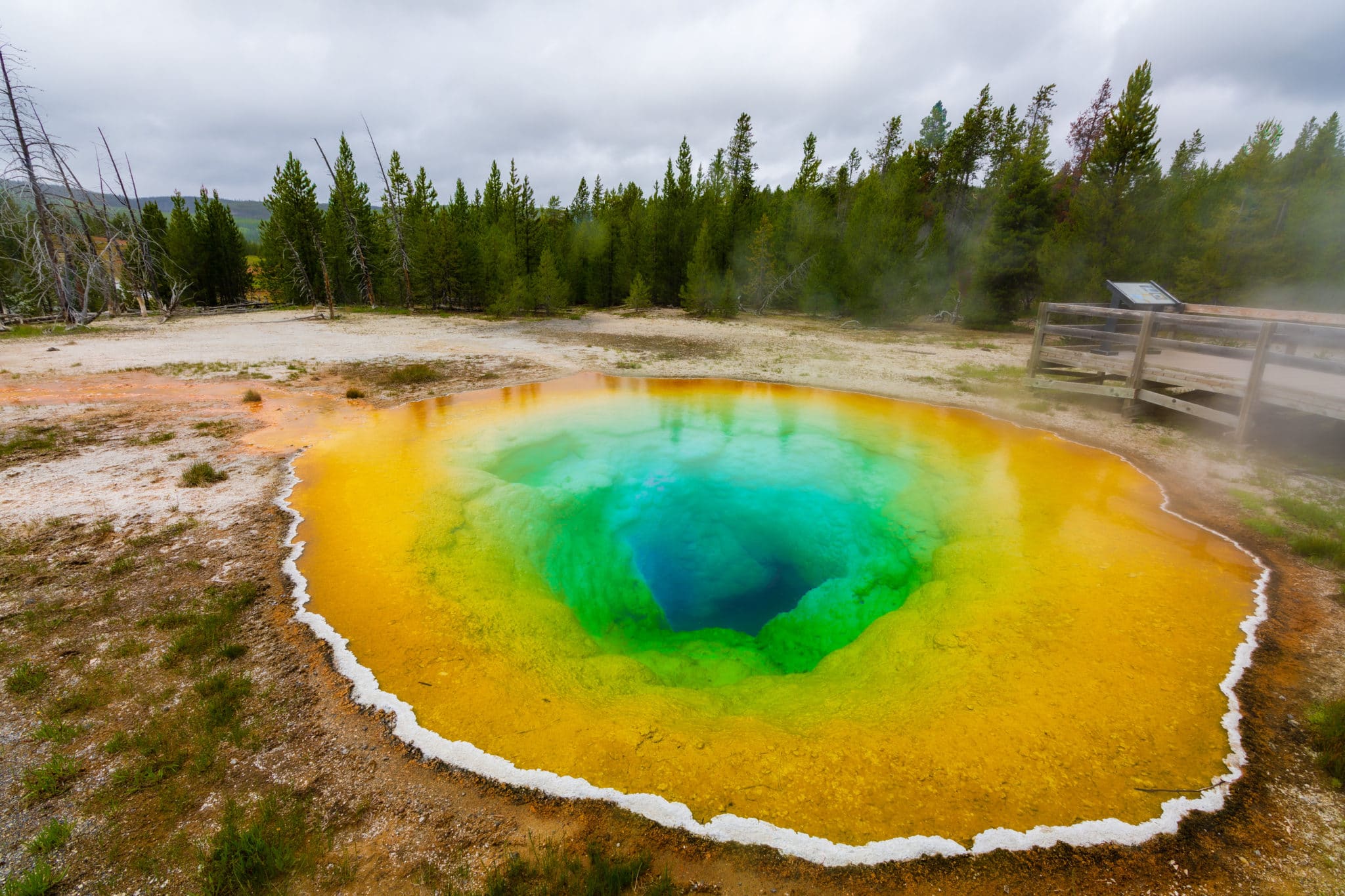
Explore America's first national park, known for its geothermal features and diverse wildlife. Students will study ecosystem management, conservation efforts, and the role of national parks in wildlife protection. Activities include guided tours, wildlife observation, and conservation workshops.
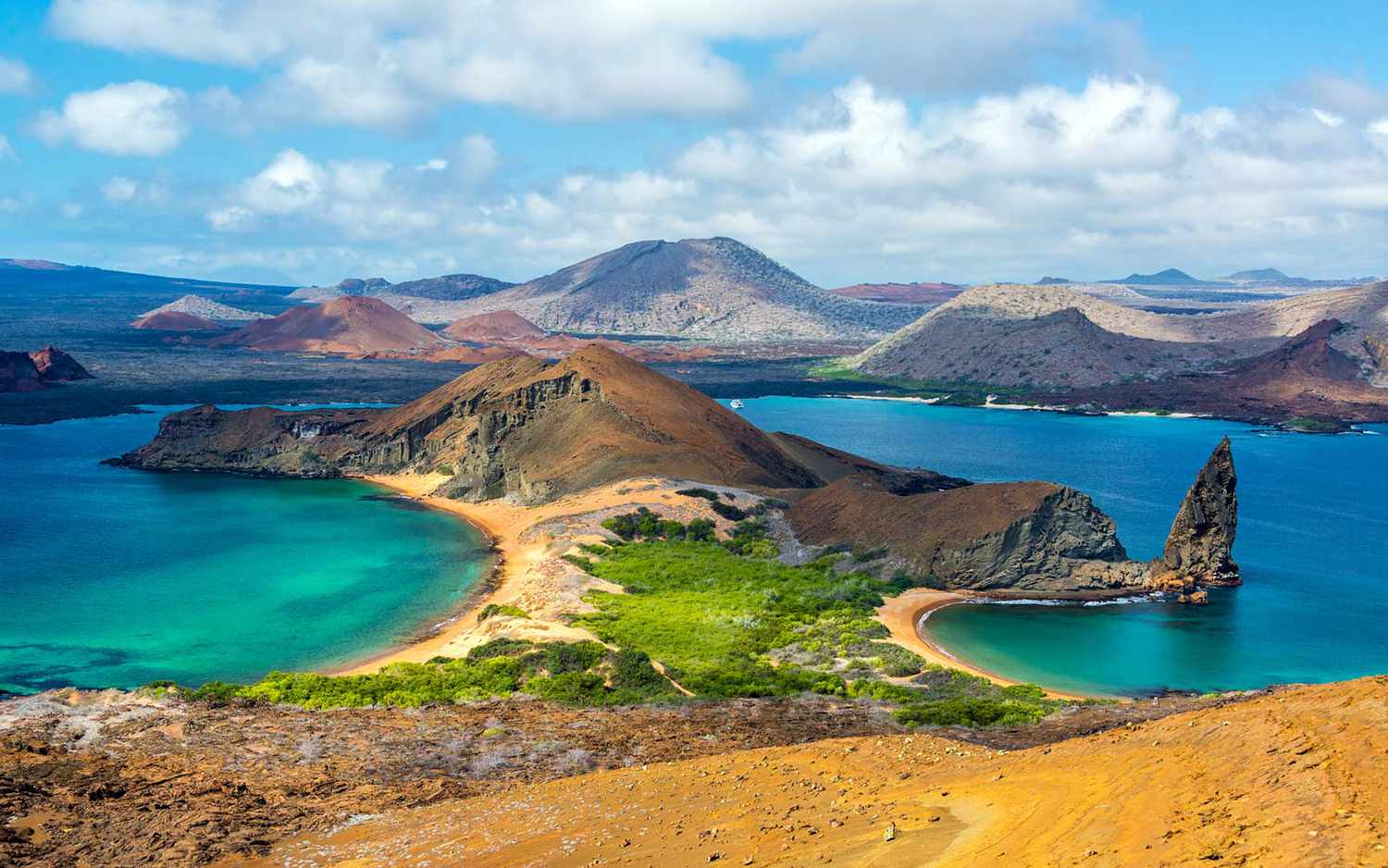
Explore the unique biodiversity of the Galápagos Islands, where Charles Darwin developed his theory of evolution. Students will study endemic species, marine conservation, and sustainable tourism practices. Activities include snorkeling, guided island tours, and visits to research stations.

Discover the rich biodiversity of Borneo's rainforests and learn about orangutan conservation. Students will study tropical ecosystems, habitat destruction, and rehabilitation efforts for endangered species. Activities include jungle treks, visits to orangutan sanctuaries, and conservation talks.

Discover the world's largest coral reef system and learn about marine conservation. Students will study coral ecosystems, the impact of climate change, and conservation efforts to protect the reef. Activities include snorkeling, reef walks, and educational sessions with marine biologists.
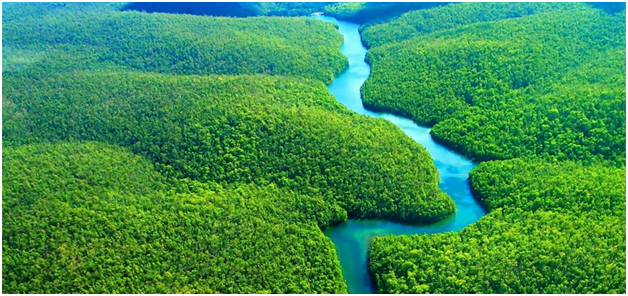
Experience the unparalleled biodiversity of the Amazon Rainforest. Students will learn about tropical ecosystems, conservation challenges, and indigenous knowledge. Activities include guided jungle treks, visits to research stations, and interactions with local tribes.