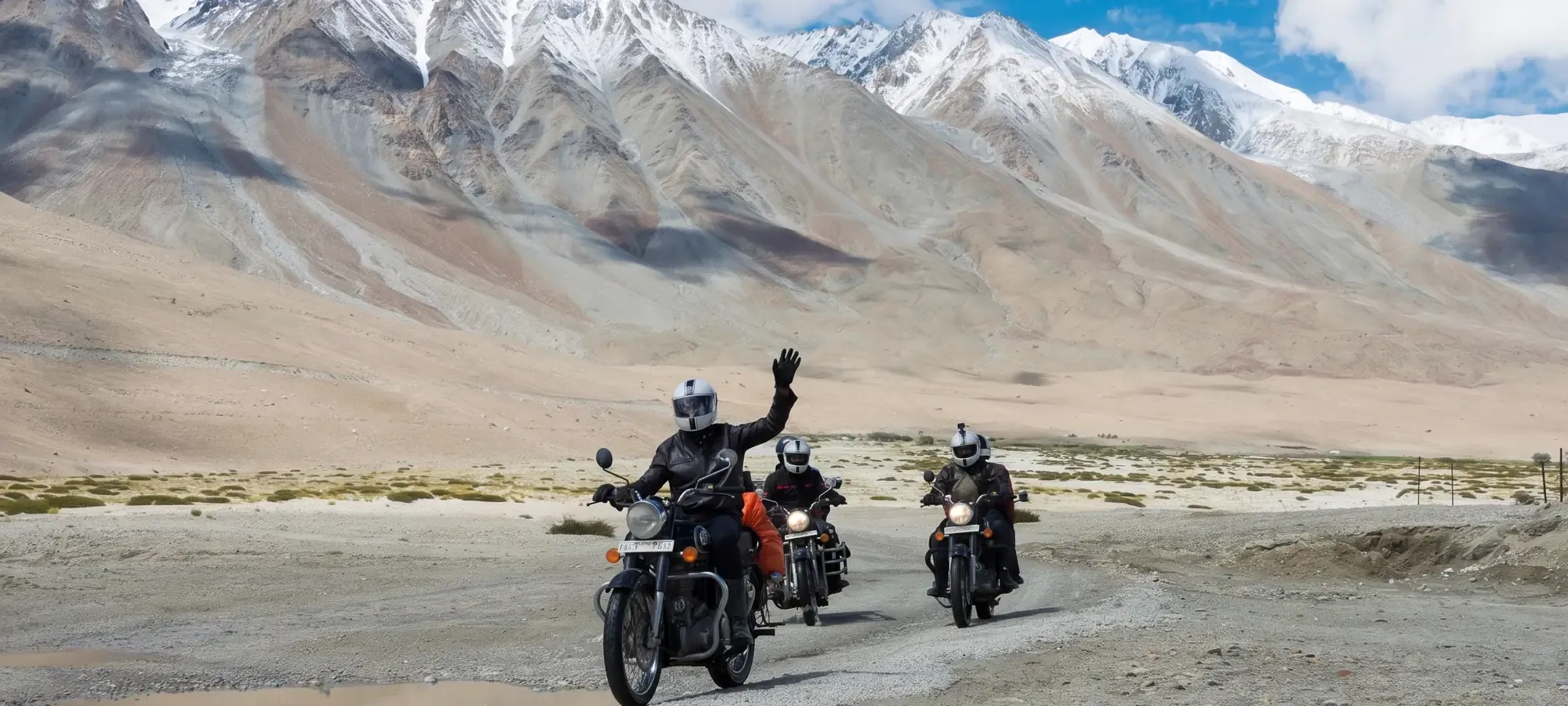
Every operator says safety first. This is what ours actually says.
The written protocol behind every tour: supervision, headcounts, curfew, altitude, activity restrictions, documentation and evacuation. Published in full.
The person who signs the form is personally accountable.
A school tour is not a holiday purchase. Somebody at the school puts their name to it, and if a child is hurt that name is the one on the letter. Every operator says “safety is our priority”. Almost none of them will show you what they actually do.
So here it is, in full, before you ask for it. Twelve items. None of them are impressive, which is rather the point. Nothing on this page is a marketing claim: each line is something a coordinator either does or does not do, and can be checked.
Two items below carry a visible placeholder. They are the two numbers we will not print until they are confirmed, because a supervision ratio or a curfew that turns out to be wrong is worse than one that is honestly missing.
- Medical declarations and any condition a coordinator must plan around.
- Dietary and allergy counts, reconciled before we confirm the caterer.
- Parental consent on the school’s own form, collected before departure.
- Accompanying teachers, named, with one nominated as the school’s decision maker.
- The academic objective, in one sentence, so the plan can be judged against it.
Twelve things, every tour, without exception.
The protocol is written, and it is this one
Every Destinationz 360 tour runs to a single operational rulebook, not to the judgement of whoever is leading that week. A school can read it before committing, which is the entire point of publishing it.
Supervision ratios are named in the proposal
The ratio for your group, your year group and your activity appears in writing on the costed plan, before the school commits. It varies by age and by activity, so a single sitewide number would be a fiction. The published ratio table is awaiting sign-off and will appear here.
Headcounts at every transition, recorded
On the vehicle, off the vehicle, before and after every site, before and after every meal, and before anything moves. Counted against a written list by a named adult, and logged. Not done by eye, and not done by whoever is nearest.
A night protocol that does not flex
Room and tent allocation, adult positioning, lighting to the toilets, in-room curfew and a count after lights out. The same on the last night as on the first, including when the evening is going well. The curfew time is awaiting confirmation. The internal record carries two different times and only one of them can be right.
Acclimatisation is part of the route, not spare time
Any itinerary gaining altitude includes rest days built into the plan. They are not removed to recover a delay, because that is precisely the decision that produces an altitude incident.
Adventure activities are instructed, never merely supervised
Certified operators, their own equipment, their own instructors, and waiver documentation completed before the activity. Where a certified operator cannot be confirmed, the activity is removed from the itinerary and the school is told why.
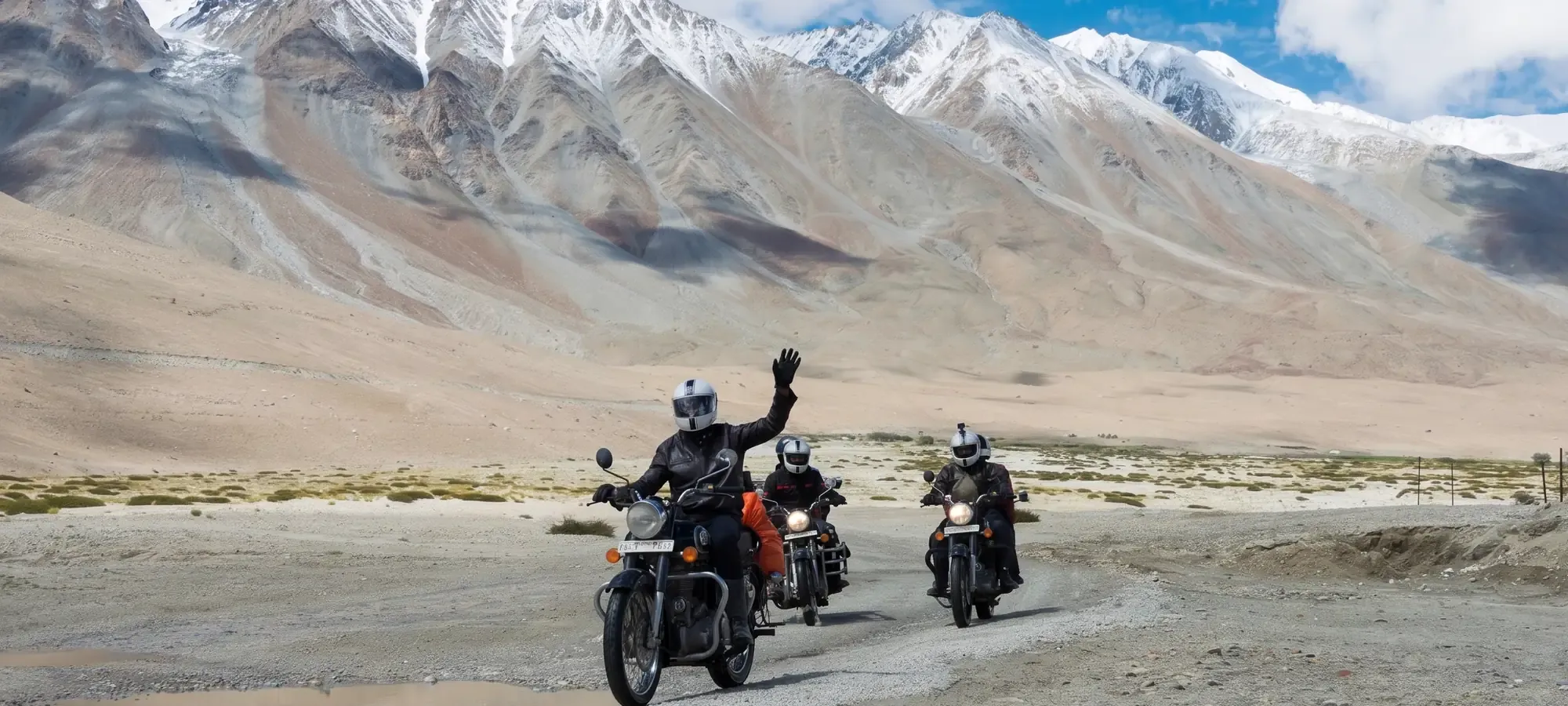
The half nobody reads until something happens.
Contingency, vehicles, documentation, insurance, evacuation, and the person who picks up the phone.
Conditional excursions are flagged at the itinerary stage, with a plan B already built
Weather, permits and road status decide some excursions on the morning. Those are marked conditional on the plan the school signs, and the alternative is costed and confirmed at the same time. A school should never discover a contingency on the day it is needed.
Vehicles and drivers are checked on paper before the day
Permit, fitness certificate, insurance and the driver’s licence, verified in advance. Night driving limits and maximum daily driving hours are applied to the route before it is offered, not negotiated once the group is tired.
Medical, dietary and consent documentation is collected and carried
Declarations gathered from parents, reconciled with the caterer and the hotel, and carried by the coordinator in hard copy as well as on a phone. A phone with no signal is not a medical record.
Insurance covers the group and the activities on the itinerary
Checked against the specific activities planned, rather than assumed from a policy name. Adventure activities are commonly excluded by default and that exclusion is confirmed or removed before departure.
An evacuation route and the nearest facility, for every night
Written into the plan for each location, along with who makes the call and in what order the school and the parents are informed. Known before the first day, not researched during an incident.
One coordinator, one number, a note home every day
A Destinationz 360 coordinator travels with the group and is the single point of contact for the school, at any hour. A short written note goes back to the school each day, so the head of department is never finding out from a parent.
A contingency the school already knows about.
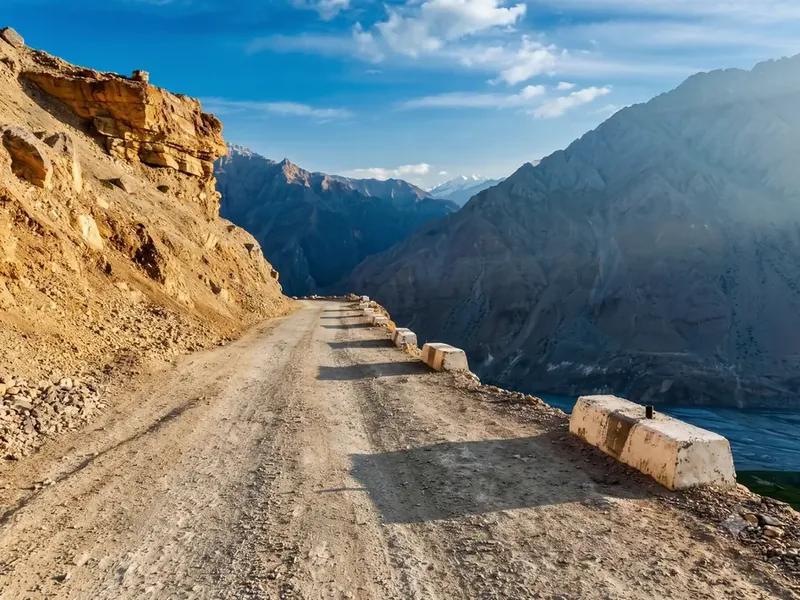
Mountain roads close, permits are withheld, a monsoon arrives early. The failure is never the weather. The failure is a school discovering on the morning that there is no alternative.


What changes when it is written down.
What a school is usually handed
- A quotation and a day-wise list
- Supervision described as “experienced staff”
- Headcounts done by eye, by whoever is nearest
- A wet-weather plan invented in the car park
- A number that reaches an office, during office hours
- Adventure activities supervised rather than instructed
What the protocol requires
- A costed plan with the logistics visible, before commitment
- A named supervision ratio, written into the proposal
- Headcounts at every transition, recorded, not remembered
- A contingency agreed in writing before departure
- One coordinator travelling with the group, reachable at any hour
- Certified instructors and their own equipment, or the activity is cut
Read it, then test it on a call.
A coordinator will go through the protocol against your specific group, your year group and your activity list. That conversation is more useful than any brochure.
Also on WhatsApp.
- The ratio for your group, in writing
- The contingency, costed up front
- Documentation handled end to end
- One coordinator throughout