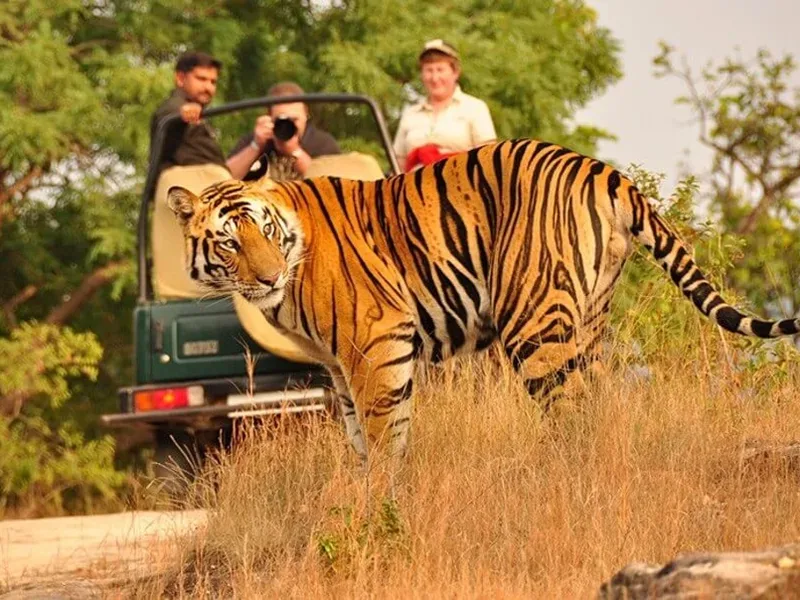
Wildlife & conservation
Naturalist-led days inside a working reserve, with the field method, the buffer villages and the conflict included rather than edited out.
Best forBiology, environmental science, geographySee the programme →
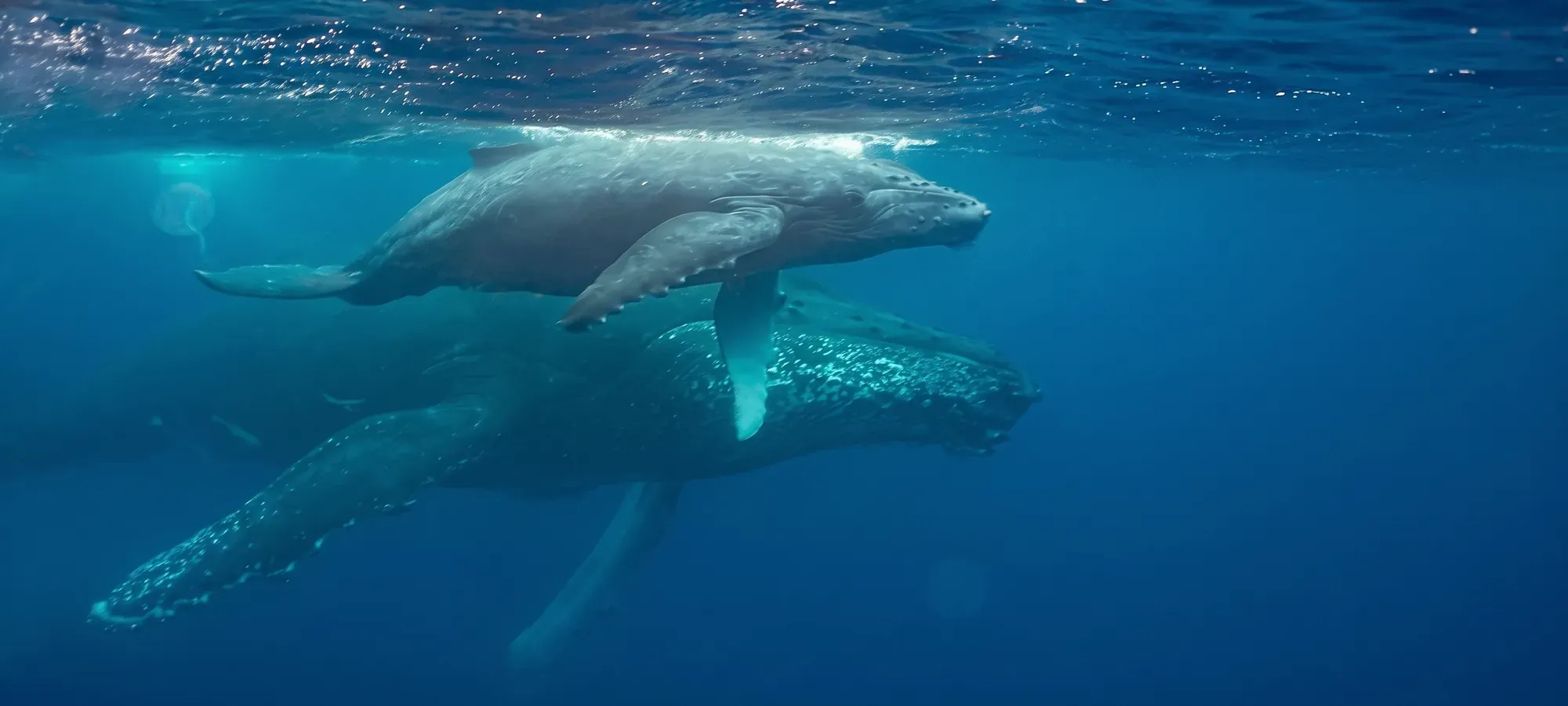
Water, waste, forest and climate, studied in the place where the subject is not theoretical.
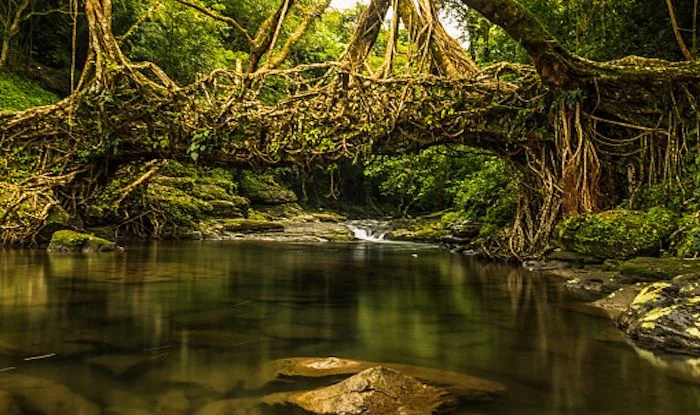
Environmental studies is the one subject where the classroom is the weakest possible venue. A catchment, a landfill, a mangrove or a village that grew a bridge out of a tree does in three days what a term of diagrams does not.
Each tour is built backwards from one question the group is going to answer, and the itinerary exists to make answering it possible. Sampling kit, permissions to enter a site, and someone who actually works there to talk to, are arranged before the dates are confirmed, not hoped for on the day.
Four things this programme is designed to leave behind. If it cannot deliver them, it is the wrong programme and we say so.
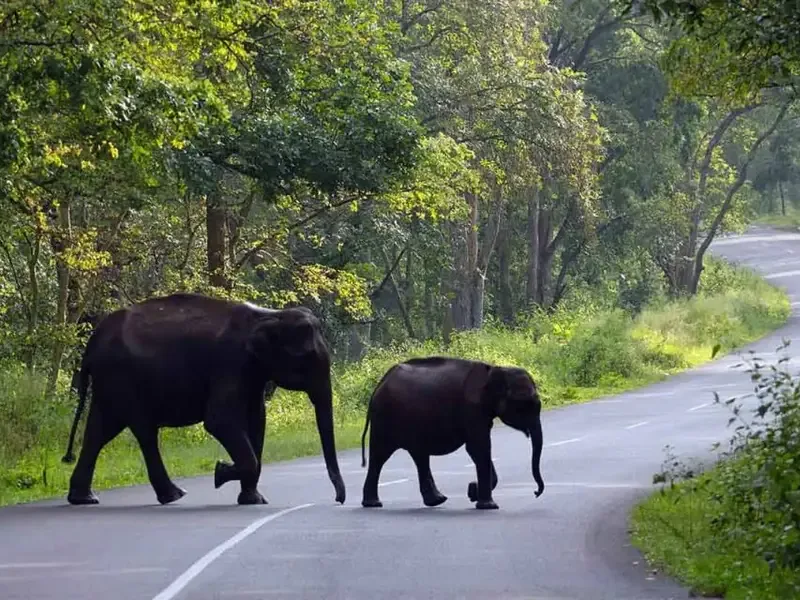
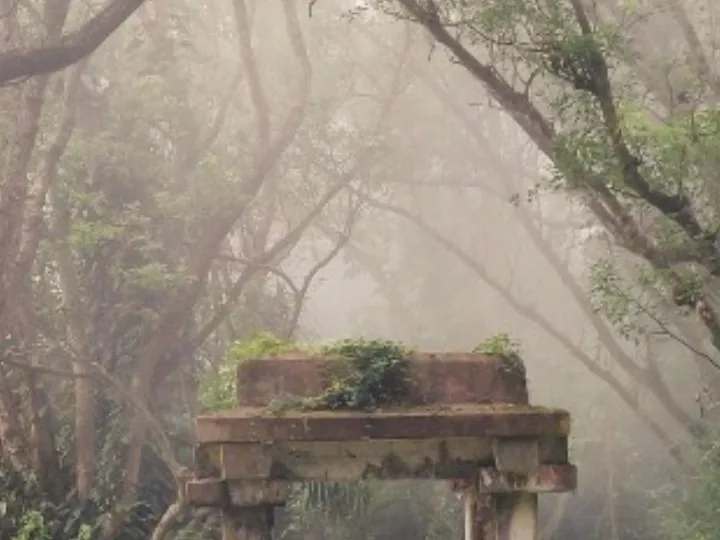
A shape, not a schedule. Yours is built around your dates, your year group and what the trip has to achieve.
Length, region and season are set against your academic calendar and your budget. No prices are published because a school group is costed against its own headcount, dates and inclusions, never against a brochure rate.
Every programme on this site runs to the same written protocol. It is published in full, because a teacher who is personally accountable should not have to take it on trust.
Naturalist-led days inside a working reserve, with the field method, the buffer villages and the conflict included rather than edited out.
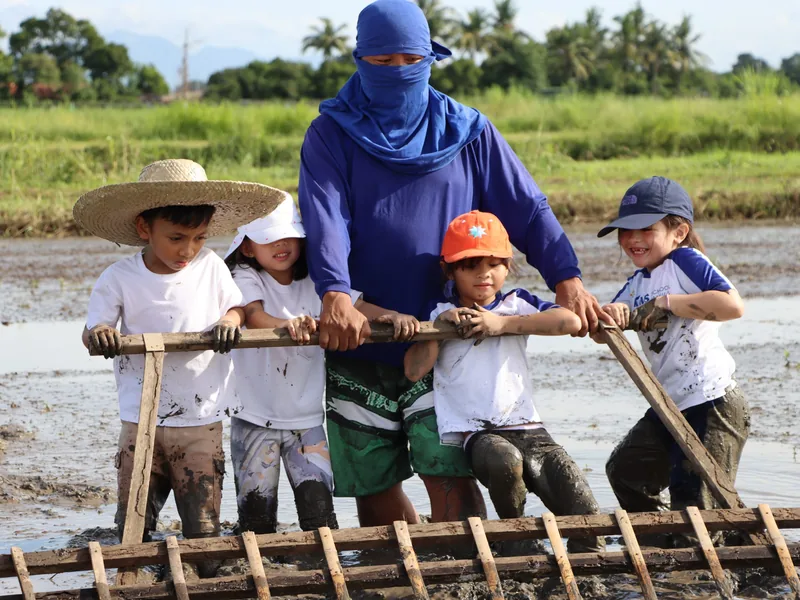
A vernacular settlement and a rated modern building, compared on the same criteria, with the readings taken by the students.
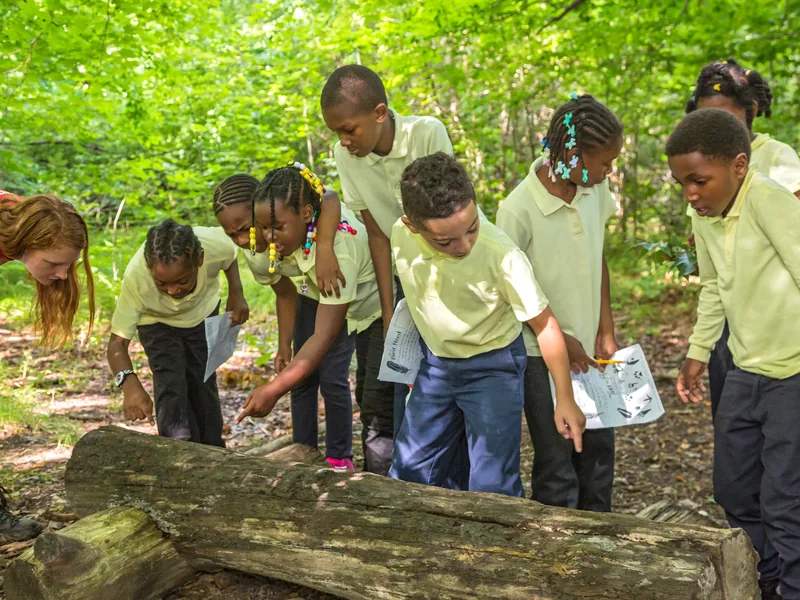
Planned around one stated objective, on a site we have walked ourselves, with the timings, the toilets and the wet weather already handled.
Two minutes to send, and a coordinator calls the school back. No prices are quoted until we know the headcount, the dates and what the trip has to achieve.
Also on WhatsApp.