Anyone can move forty children. Fewer can teach them on the way.
Built around what the class is studying, run to a written safety protocol, and costed to your group rather than to a brochure.
Why Destinationz 360
What are you planning?
Thirteen programmes, every one rebuilt around your syllabus, your year group and your dates. Pick the way you think about it.
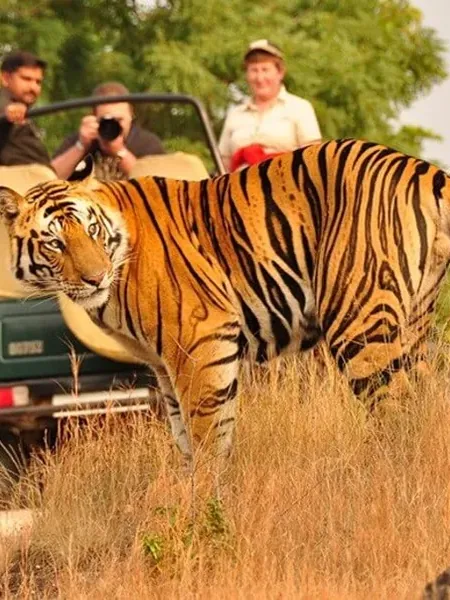
Wildlife and conservation
Naturalist-led days inside a working reserve.
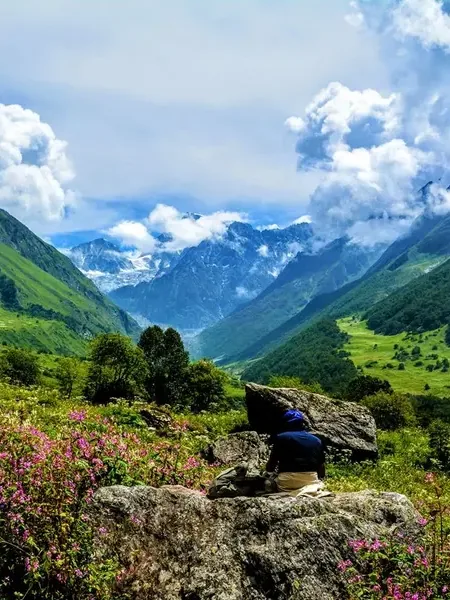
Environmental studies
Built backwards from one question the group answers.
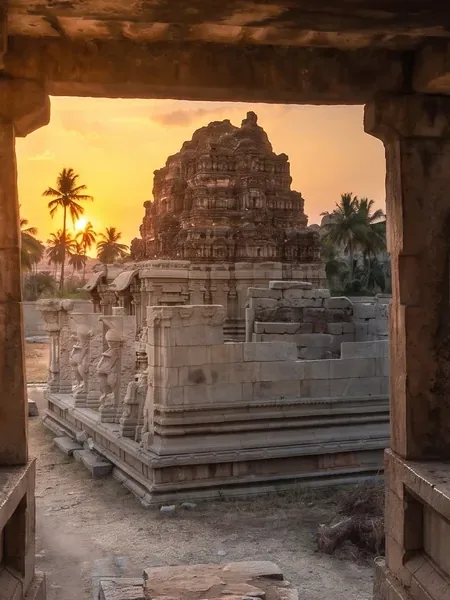
Project study tours
The deliverable is agreed before the coach is booked.

CAS learning
Outcomes mapped to the days, before booking.
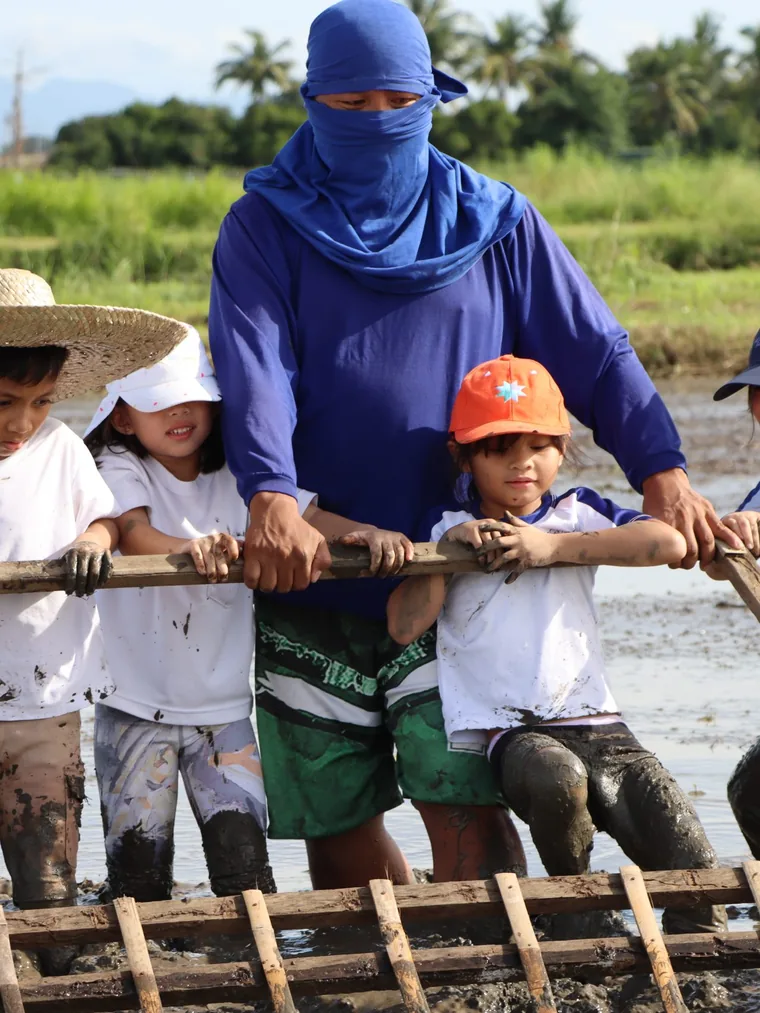
Sustainable habitat
A vernacular settlement and a modern building, compared.
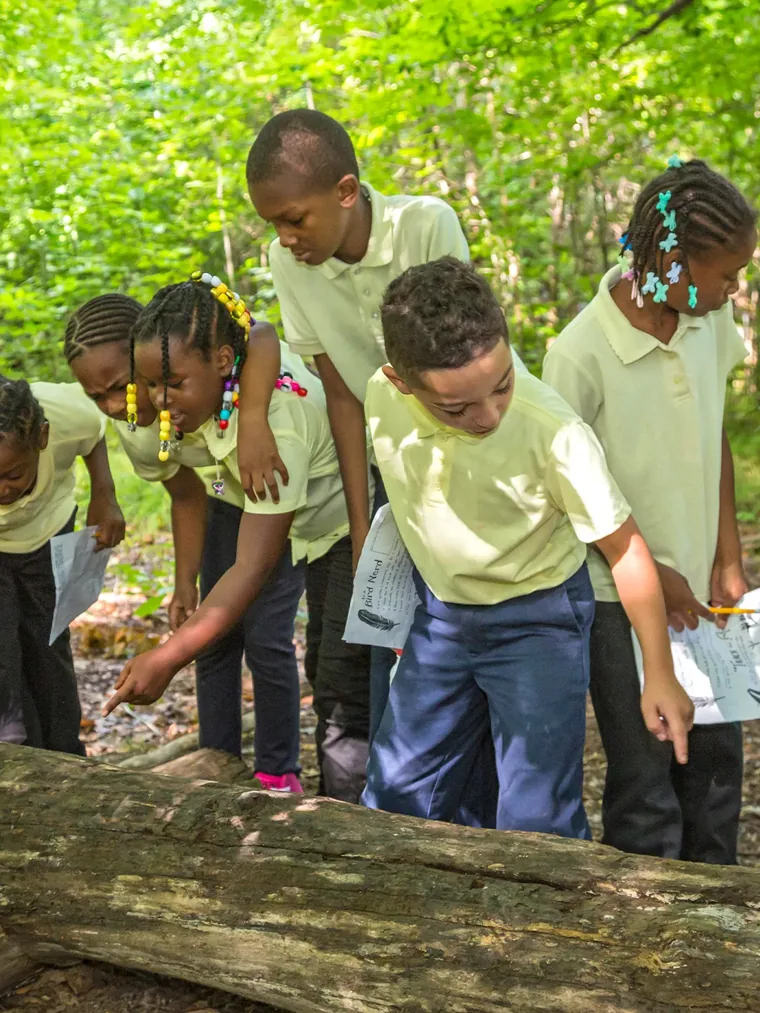
Field trips
One stated objective, on a site we have walked.
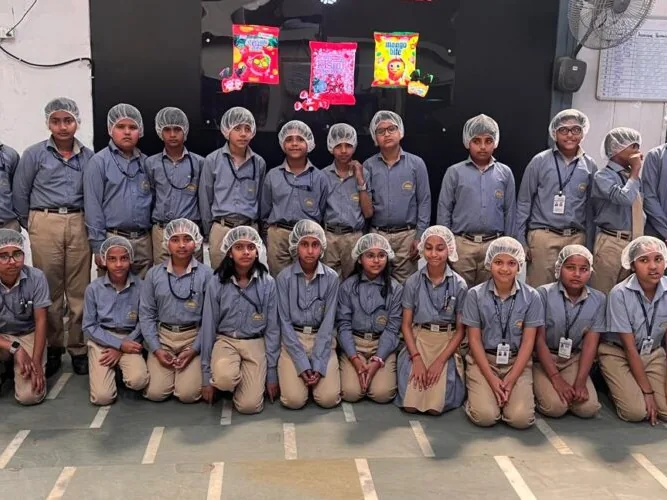
Industrial visits
Access, and someone senior enough to answer.
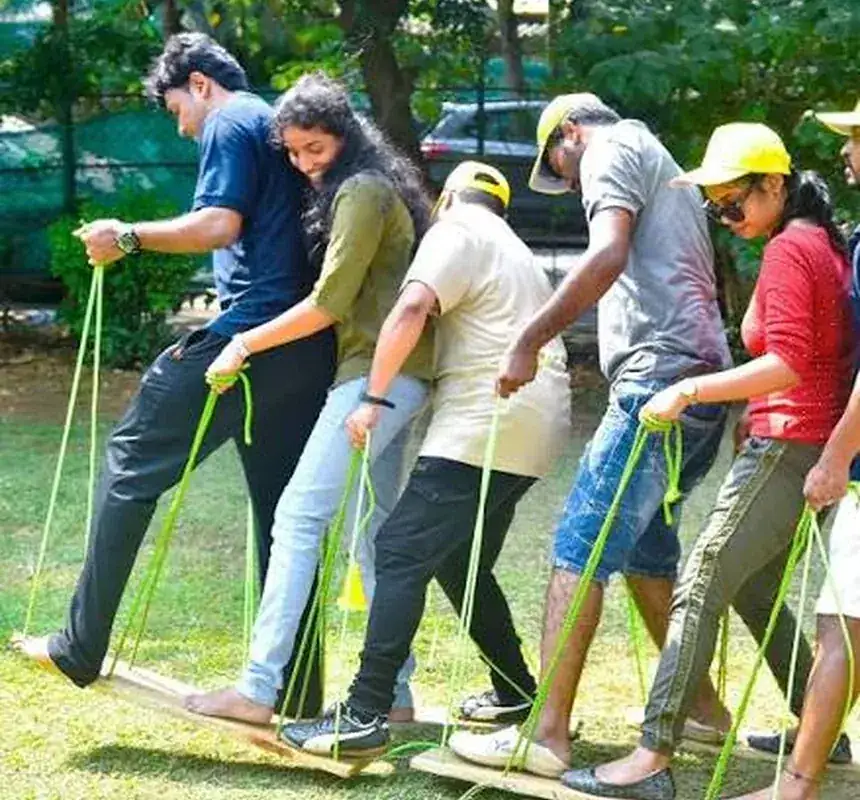
Indoor outreach
Your hall, your timetable, the equipment brought in.

Picnics and excursions
Same written protocol as a week away.
Hiking and trekking
Graded to the slowest walker.
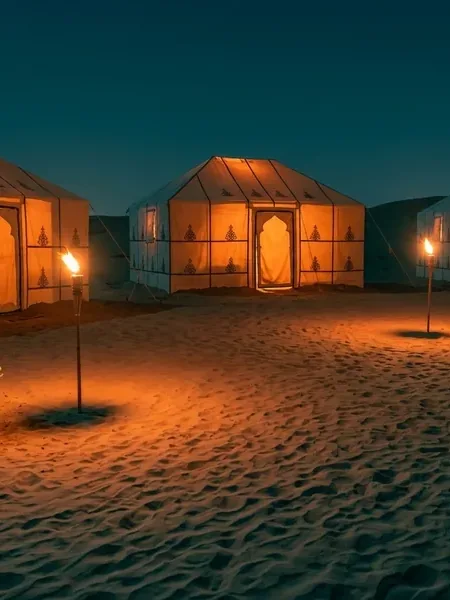
Camping
The night protocol matters more than the activity list.
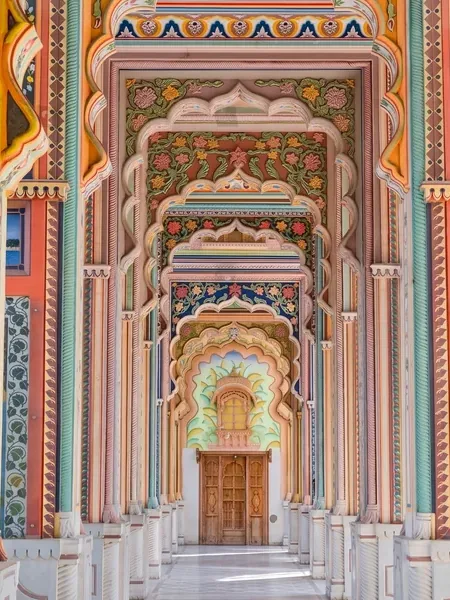
Domestic tours
One coordinator holds the plan and the counts.

International tours
Starts with the paperwork rather than the destination.
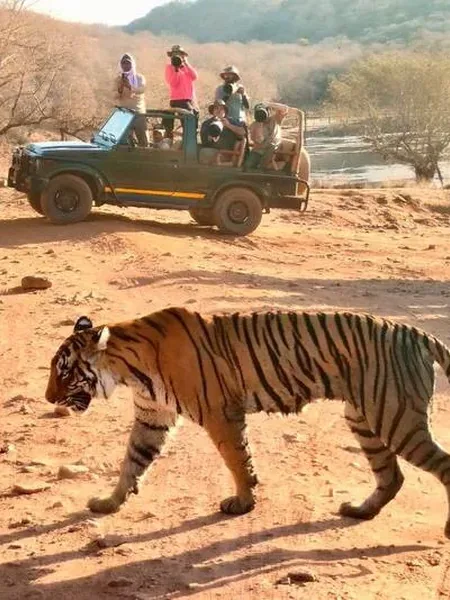
Biology and ecology
Census method and counts, in a working reserve.
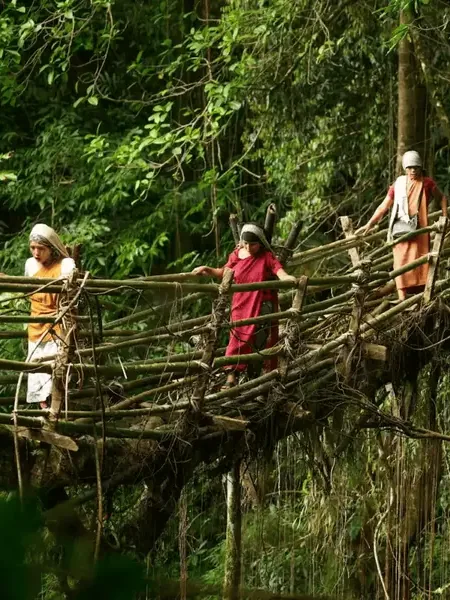
Environmental science
Water, soil and canopy cover, measured on site.
Geography
Landform, drainage and land use, walked and mapped in one day out.

History and heritage
A site, a question and a deliverable, agreed before the coach is booked.
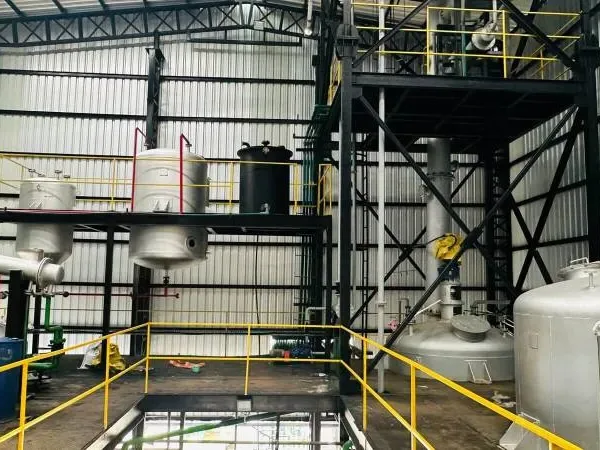
Physics and engineering
A working plant, a safety induction, and an engineer who answers questions.
Agriculture and food systems
Where the food comes from, and what it costs the land to grow it.
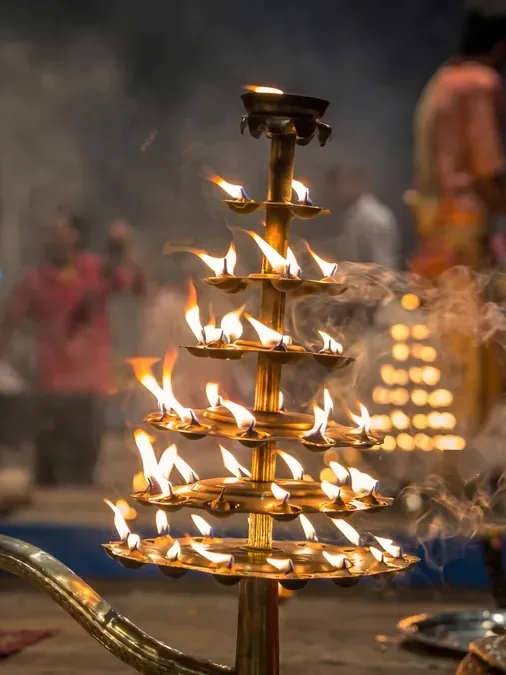
Service and CAS
A real brief, hours that stand up to a coordinator, evidence at the end.

Art and architecture
Drawing on site, from the building rather than from a photograph of it.

Languages and culture
A country where the language is spoken, with contact time planned in.
Years 3 to 5
Close, short, fully supervised. Often a school’s first trip with an operator.
Years 6 to 8
A day out with a worksheet that is actually marked afterwards.
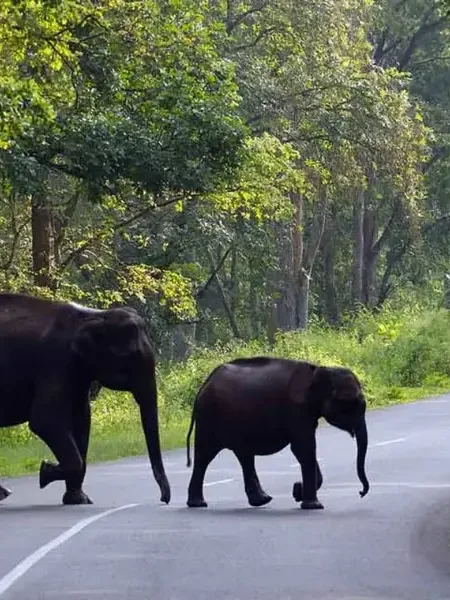
Years 9 to 10
Field work with a method, a dataset and a write-up.
Years 11 to 12
A question set before departure and answered on site.
IB CAS and DP
Against the IB descriptors, documented as the coordinator needs it.
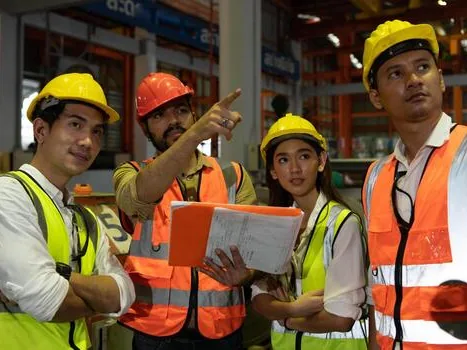
Undergraduate
Plant visits and industry contact for engineering and commerce cohorts.
Singapore and Malaysia
Short flights, easy visas, science centres built for school groups.
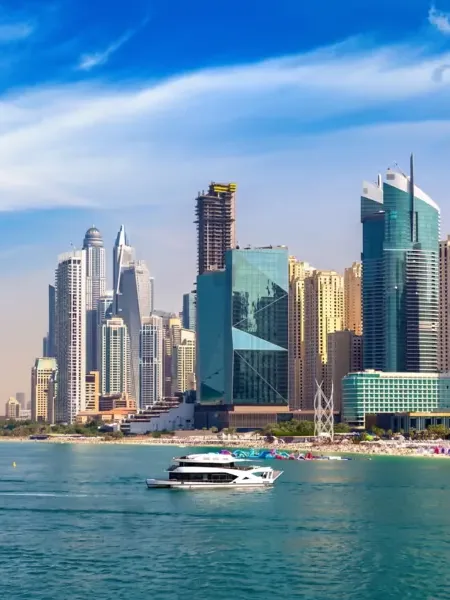
Dubai and Abu Dhabi
Four hours out, engineering at city scale, no language barrier.
Japan
Language contact, design, robotics, and a rail system worth studying.
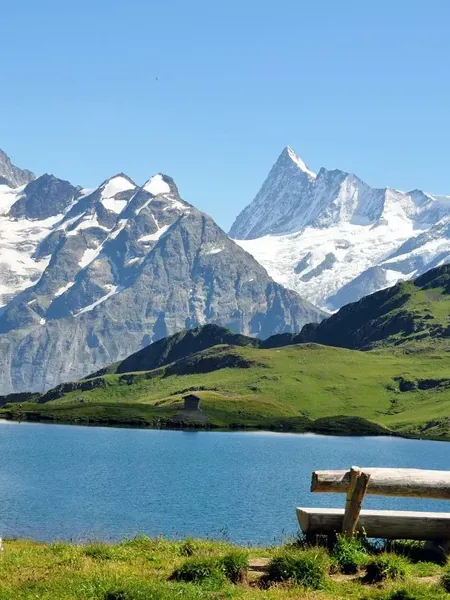
Switzerland and France
Glaciology, rail engineering, and the museums an art syllabus is built on.
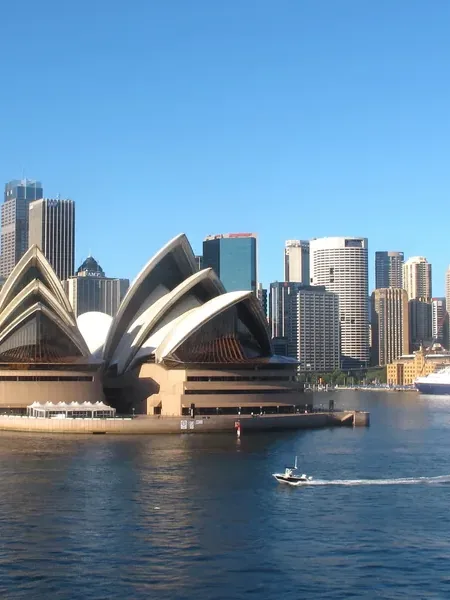
Australia and New Zealand
Marine biology, geothermal geography, campuses that host school cohorts.
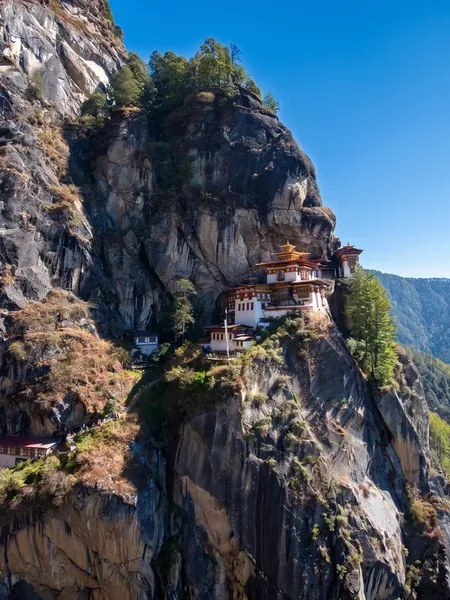
Bhutan
Overland, and a curriculum-sized lesson in conservation policy.
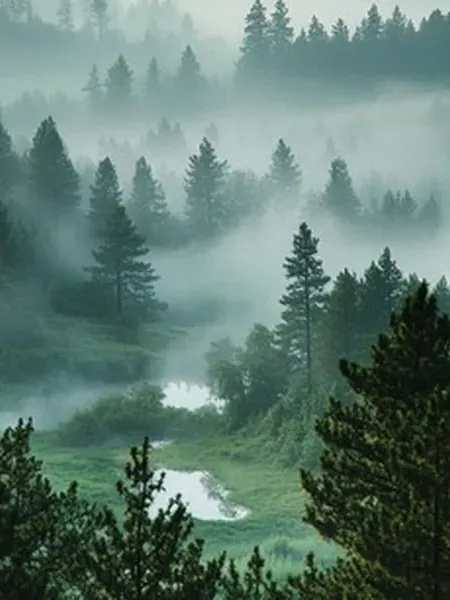
Sri Lanka
Wildlife, archaeology and coast in one manageable itinerary.
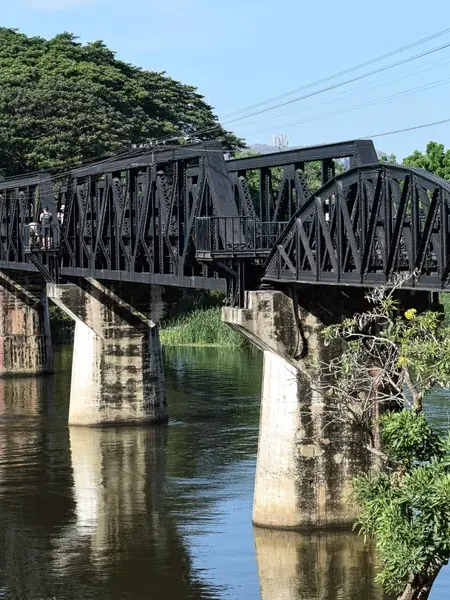
Thailand
Marine conservation, river systems, a budget a school can carry.
Destinations shown are ones the group operates. Your programme is costed against your own headcount and dates.
Seven of the thirteen
The programmes schools ask for most often. Every one is rebuilt around your syllabus and your dates.
Wildlife & conservationBest for: Biology, geographyEnvironmental studiesBest for: Environmental scienceProject study toursBest for: Coursework, field reportsField tripsBest for: Any subject, any yearCampingBest for: Classes 4 to 12International toursBest for: Classes 8 to 12Industrial visitsBest for: Commerce, engineeringSupervision first. Then the destination.
Three of these appear on every operator’s website. The fourth decides whether the other three are true.
Thirteen programmes. One standard.
Grouped by what they teach and how they run.
Field trips
Planned around one stated objective, on a site we have walked ourselves, with the timings, the toilets and the wet weather already handled.
Best for: Any subject, any year groupSee the programme →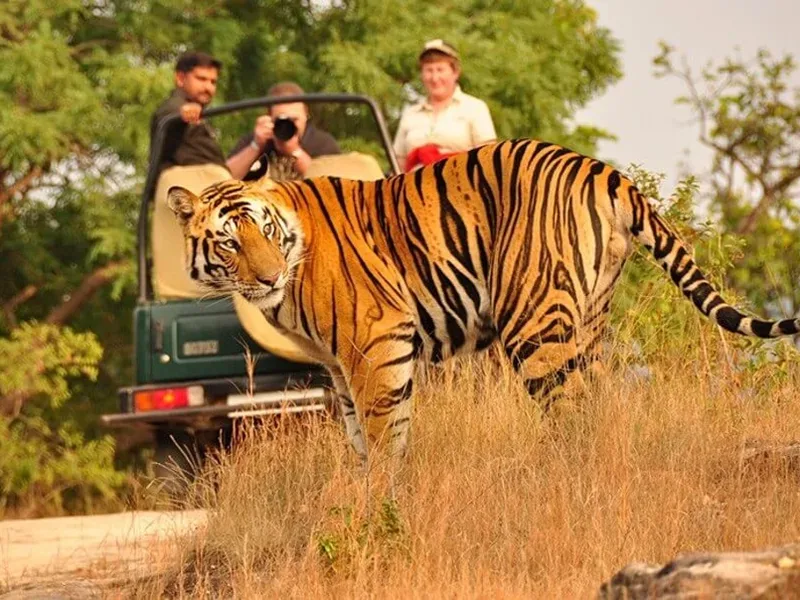
Wildlife & conservation
Naturalist-led days inside a working reserve, with the field method, the buffer villages and the conflict included rather than edited out.
Best for: Biology, environmental science, geographySee the programme →Industrial visits
The value is access. Written confirmation, the right shift, the safety induction booked, and someone senior enough to answer a good question.
Best for: Commerce, science, engineering, vocationalSee the programme →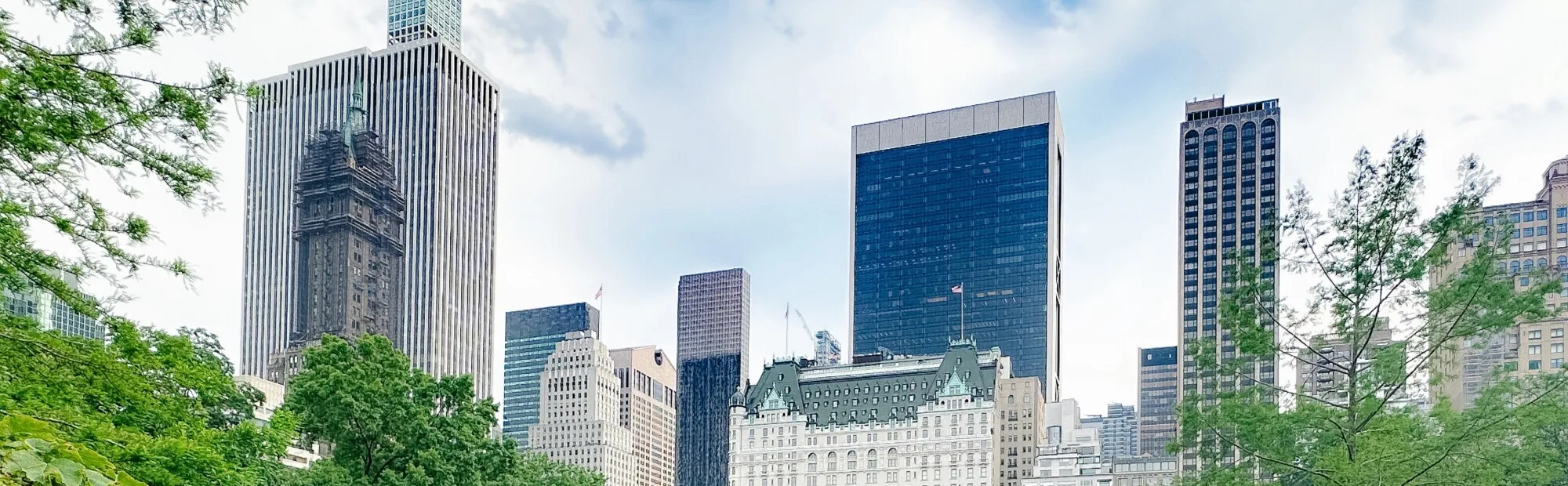
International tours
Starts with the paperwork rather than the destination, because the paperwork decides whether the destination is possible.
Best for: Classes 8 to 12, IB and international curriculaSee the programme →
The consent form is not the whole answer.
Who travels with the group, who counts the children, what happens at night, and who calls you if something goes wrong. Written down, before you sign anything.
Where does a group actually go?
Every marker is a region the group already operates in, with the ground handling and the permits in place.
Map data: @svg-maps/india v2.0.0, CC BY 4.0.
Not our words. Theirs.
Thirteen public Google reviews. Four of them are below, unedited, because a review you can go and check is worth more than a claim you cannot.
“It was my first ever college trip and I could not have asked for a better one. It was a beautiful and memorable trips. Everything was handled very well and there was nothing to complain about.”
“It was an amazing experience. We really enjoyed it. Both the tour guides were also very good… Everything was done systematically.”
“A well organized, well mannered, thoughtful organization.”
“Good place to have all solutions to your travel and tour problem.”
Four of the thirteen reviews published on the Destinationz 360 Google listing. Quoted as written, apart from one marked ellipsis.
The part of a school trip nobody puts on the brochure.
A school trip is signed off by someone who is personally accountable if a child is hurt. So the protocol is published in full, not described as experienced staff.
- A named supervision ratio, written into the proposal before you commit.
- Headcounts at every transition, recorded against a list, not done by eye.
- A night protocol that does not flex on the last night.
- Certified instructors for every adventure activity, or the activity is cut.
- An evacuation route and named facility for every night of the trip.
- One coordinator with the group, and a written note home each day.
Four steps, and a person at every one.
The same sequence whether it is a day out for one class or three weeks abroad for a year group.
You tell us the objective
One sentence about what the class is meant to understand, the year group, and a rough window. Budget is the fourth question, not the first.
We send a costed plan
Route, nights, drive times, room splits, dietary counts, the supervision ratio and the wet-weather alternative. On one document the school can circulate.
The protocol is agreed
Consent, medical declarations, insurance and the contingency plan settled in writing before a single deposit moves.
A coordinator travels with the group
First pick-up to last drop, holding the counts, the documents and the changes. The school gets one number, including at two in the morning.
Not a school trip? Talk to Zubilant.
Destinationz 360 runs educational travel for institutions. Family travel, pilgrimages and corporate offsites are our sister brand’s work. Same company, same people, same operating relationships since 2009.
Less ticking off places. More experiences you’ll remember. Designed journeys across India and abroad, private and to your dates.
Visit zubilant.co.in →Tell us the year group. We will call you back.
Two minutes to send. A coordinator calls the school back. Nothing is costed until we know the headcount, the dates and what the trip has to achieve.
Also on WhatsApp.
- A costed plan, not a brochure
- The safety protocol in writing
- One coordinator throughout
- India or abroad