Environmental studies
Built backwards from one question the group is going to answer, with the kit, the permissions and the people arranged so they can actually answer it.
Best forEnvironmental science, geography, IB ESSSee the programme →
Building, water, energy and settlement, studied where the answers were worked out over centuries rather than last quarter.
India solved the problem of living in heat, in flood and at altitude long before anyone drew a rating certificate. A stepwell, a courtyard house, a root bridge and a modern green building in one week give students a comparison they cannot get any other way.
These tours pair the vernacular with the contemporary on purpose. Students who have stood in a house that stays cool without electricity ask much better questions of a building that needs a plant room to do the same thing.
Four things this programme is designed to leave behind. If it cannot deliver them, it is the wrong programme and we say so.
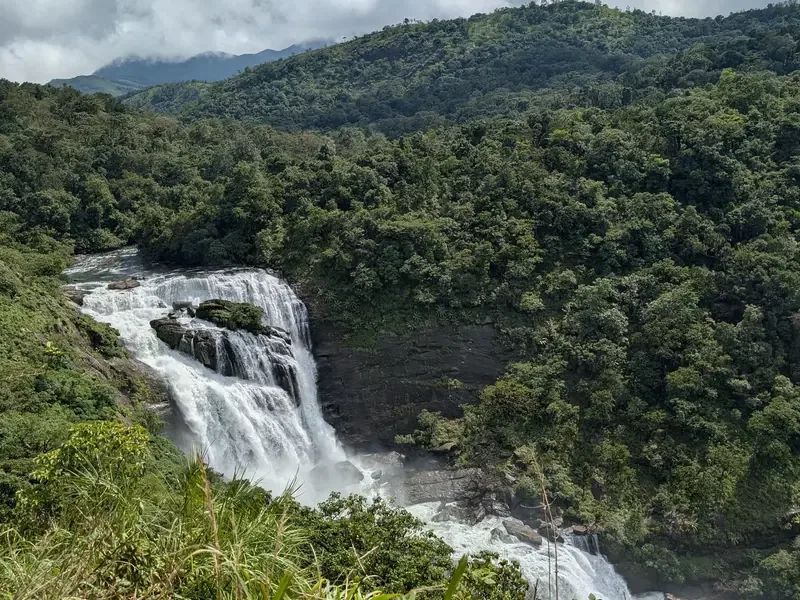
A shape, not a schedule. Yours is built around your dates, your year group and what the trip has to achieve.
Length, region and season are set against your academic calendar and your budget. No prices are published because a school group is costed against its own headcount, dates and inclusions, never against a brochure rate.
Every programme on this site runs to the same written protocol. It is published in full, because a teacher who is personally accountable should not have to take it on trust.
Built backwards from one question the group is going to answer, with the kit, the permissions and the people arranged so they can actually answer it.
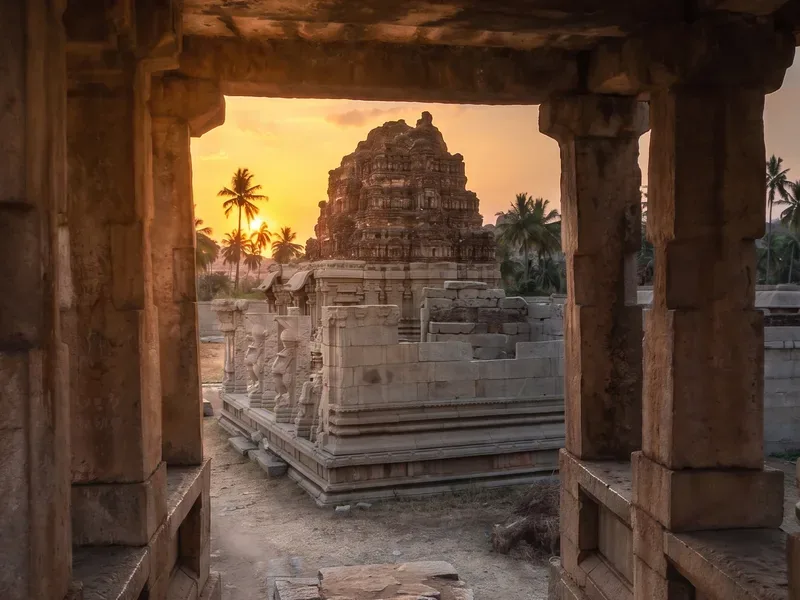
The deliverable is agreed first. Every visit, interview and free afternoon then has to earn its place by moving the group closer to it.
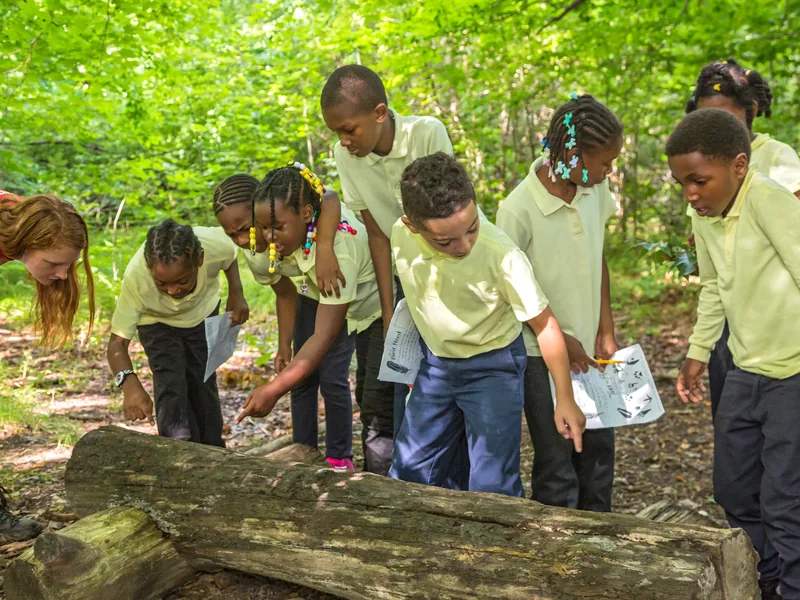
Planned around one stated objective, on a site we have walked ourselves, with the timings, the toilets and the wet weather already handled.
Two minutes to send, and a coordinator calls the school back. No prices are quoted until we know the headcount, the dates and what the trip has to achieve.
Also on WhatsApp.