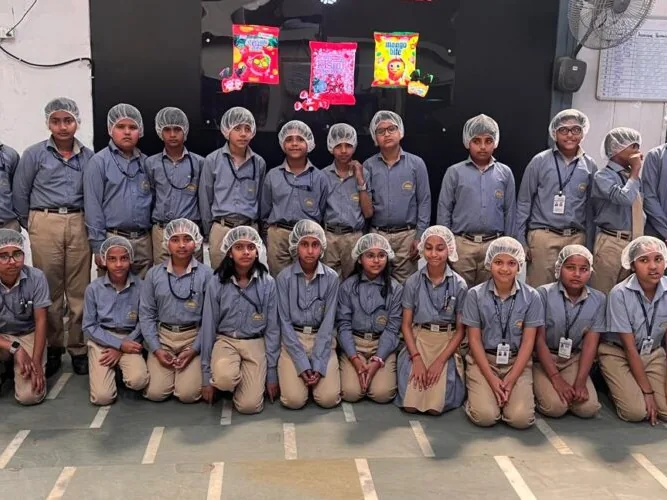
Industrial visits
The value is access. Written confirmation, the right shift, the safety induction booked, and someone senior enough to answer a good question.
Best forCommerce, science, engineering, vocationalSee the programme →
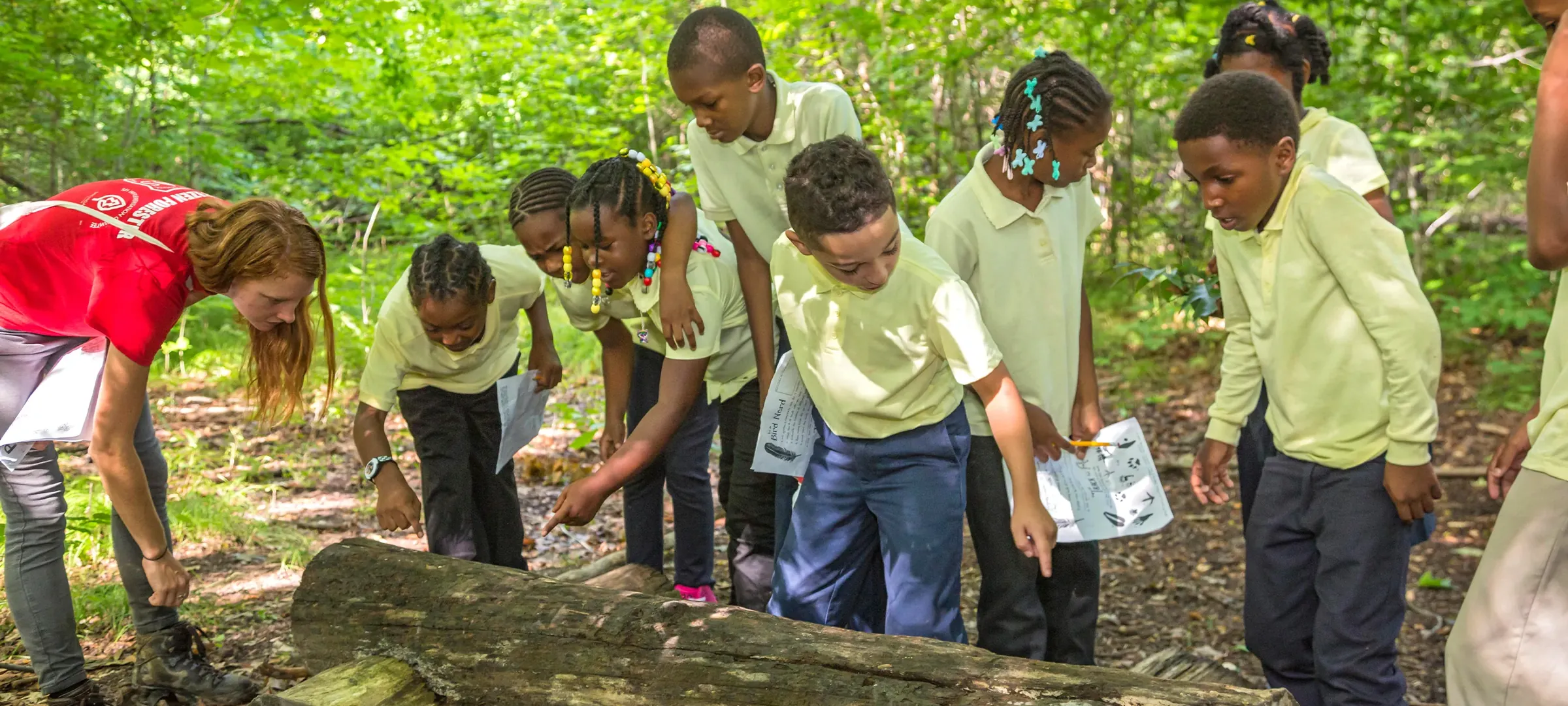
One day or several. Planned around what the class is studying, not around what is nearby.
The difference between a field trip and an outing is whether the teacher could tell you, in one sentence, what the class is meant to understand by the end of it. We ask that question first and everything else follows from the answer.
Then we do the unglamorous work: the recce, the timing, the toilets, the eating arrangement, the wet-weather alternative, and the two hundred metres of walking between the coach and the gate that nobody accounts for and every teacher remembers.
Four things this programme is designed to leave behind. If it cannot deliver them, it is the wrong programme and we say so.
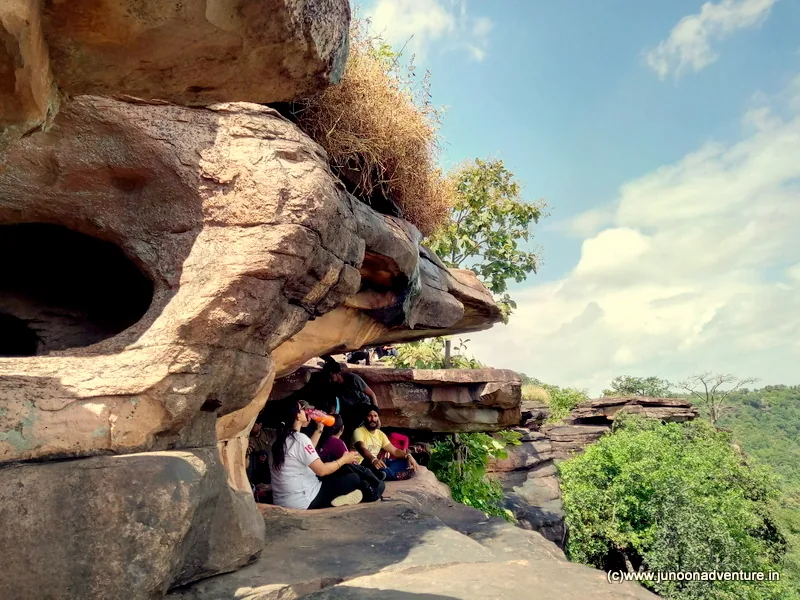
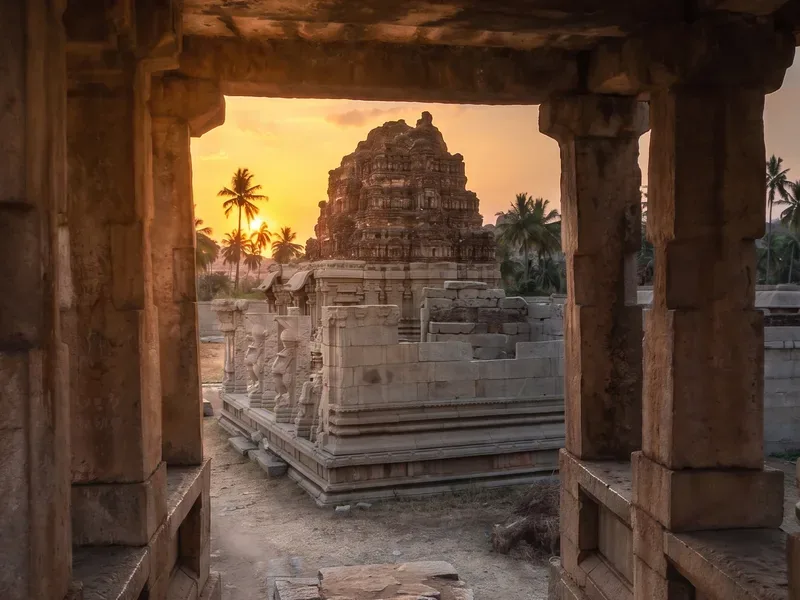
A shape, not a schedule. Yours is built around your dates, your year group and what the trip has to achieve.
Length, region and season are set against your academic calendar and your budget. No prices are published because a school group is costed against its own headcount, dates and inclusions, never against a brochure rate.
Every programme on this site runs to the same written protocol. It is published in full, because a teacher who is personally accountable should not have to take it on trust.
The value is access. Written confirmation, the right shift, the safety induction booked, and someone senior enough to answer a good question.

The trip most often planned in a hurry, run to the same written protocol as a week away. Counts at every transition.
The deliverable is agreed first. Every visit, interview and free afternoon then has to earn its place by moving the group closer to it.
Two minutes to send, and a coordinator calls the school back. No prices are quoted until we know the headcount, the dates and what the trip has to achieve.
Also on WhatsApp.